Bringing heartfelt storytelling and honky-tonk to rock and roll.
These country music legends made significant contributions to rock and roll by influencing its sound, structure, and vocal style, especially as rock and roll absorbed elements of country and western music.
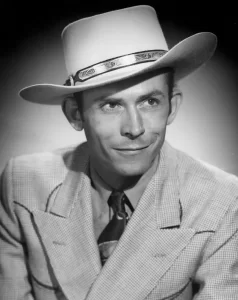
Hank Williams
Hank Williams, often called “The Father or Country Music” is a country music legend. He deeply influenced rock and roll with his heartfelt songwriting and raw emotional delivery. His songs like “I’m So Lonesome I Could Cry” and “Move It On Over” merged country with rhythm and blues, shaping the emotional depth and storytelling that would define rock music in the 1950s.
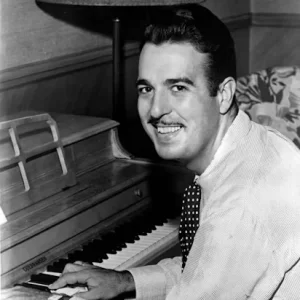
Tennessee Ernie Ford
Tennessee Ernie Ford, known for his deep voice and blend of country, blues, and pop, made a significant impact on rock and roll. His 1955 hit “Sixteen Tons” introduced a unique narrative style, merging storytelling with a catchy, rhythmic melody. Ford’s crossover appeal influenced early rock artists, shaping the genre’s narrative-driven songs and its fusion of various musical styles.
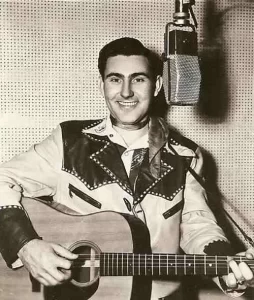
Webb Pierce
Webb Pierce, a country music star, helped shape early rock and roll with his distinctive honky-tonk style and steel guitar-driven sound. Hits like “There Stands the Glass” and “In the Jailhouse Now” influenced rockabilly and rock artists by blending catchy rhythms with emotive storytelling. Pierce’s sound bridged country and rock, inspiring later generations of musicians.
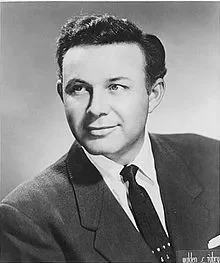
Jim Reeves
Jim Reeves, known for his smooth baritone voice and blend of country and pop, influenced rock and roll by introducing a more polished, crooner style to the genre. His hits like “He’ll Have to Go” crossed into mainstream pop, paving the way for rock’s embrace of smoother ballads and emotional storytelling. Reeves’ crossover appeal shaped the evolution of rock’s softer side.
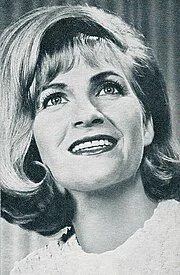
Skeeter Davis
Skeeter Davis, with her distinctive voice and blending of country, pop, and early rock, helped shape the sound of rock and roll in the 1960s. Her hit “The End of the World” showcased her emotional delivery and catchy melodies, bridging country and rock genres. Davis’ influence paved the way for future female artists in rock, offering a mix of vulnerability and pop appeal.
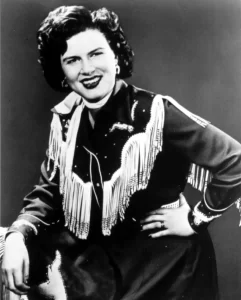
Patsy Cline
Patsy Cline influenced rock and roll by bridging country music’s heartfelt storytelling with rock’s growing mainstream appeal, helping shape the genre’s emotional depth and vocal style. Known for her rich, expressive voice and crossover hits like “Crazy” and “I Fall to Pieces,” Cline brought a smooth, soulful delivery that resonated with both country and pop audiences. Her ability to convey vulnerability and strength inspired rock vocalists to embrace more nuanced, emotional performances. Cline’s success helped break down barriers between country and rock, encouraging greater genre blending and expanding rock’s musical vocabulary. By blending traditional country with pop sensibilities, Patsy Cline played a vital role in broadening rock and roll’s emotional and stylistic range.
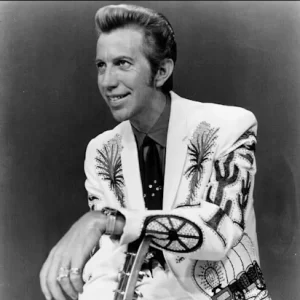
Porter Wagoner
Porter Wagoner influenced rock and roll by blending traditional country sounds with a showmanship style that helped shape the genre’s crossover appeal. Known for his flashy rhinestone suits and engaging stage presence, Wagoner brought a theatrical flair that inspired rock performers to embrace visual spectacle alongside musical performance. His storytelling songs, like “A Satisfied Mind,” emphasized emotional narratives that resonated with audiences, encouraging rock artists to incorporate similar heartfelt themes. Wagoner’s success in bringing country music to mainstream audiences helped bridge gaps between genres, influencing rock and roll’s development by expanding its lyrical and stylistic diversity. His fusion of classic country with broader popular music elements contributed to rock’s evolution as a more inclusive and varied genre.
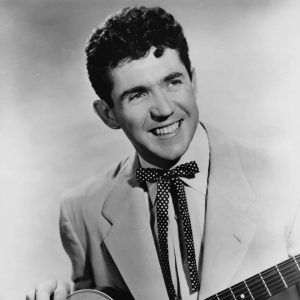
Sonny James
Sonny James influenced rock and roll by blending smooth country melodies with pop and early rock elements, helping to shape the genre’s crossover appeal in the 1950s and 1960s. Known as the “Southern Gentleman,” James’s warm, polished vocal style and catchy songs like “Young Love” resonated with both country and pop audiences, making rock and roll more accessible to a wider demographic. His success in bridging genres demonstrated the fluidity between country, pop, and rock, encouraging other artists to experiment with blending styles. Sonny James’s influence helped pave the way for the country-rock movement and contributed to rock and roll’s evolving sound by emphasizing melody, emotion, and broad commercial appeal.
Red Foley
Red Foley influenced rock and roll by helping to shape the early sound of country music that would deeply impact rock’s development. As a prominent country singer in the 1940s and 1950s, Foley’s smooth vocals and storytelling style bridged traditional folk and emerging popular music forms. His hit “Chattanoogie Shoe Shine Boy” showcased upbeat rhythms and catchy melodies that resonated with younger audiences, foreshadowing rock and roll’s danceable energy. Foley’s blending of gospel, country, and pop elements contributed to the cross-genre fusion that became a hallmark of early rock music. By appealing to a broad audience and inspiring artists like Elvis Presley, Red Foley played a key role in laying the foundation for rock and roll’s rich musical diversity.
Bill Monroe
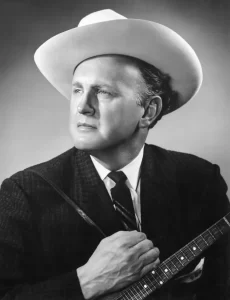
Bill Monroe influenced rock and roll by pioneering bluegrass, a genre that deeply impacted rock’s musical roots. Known as the “Father of Bluegrass,” Monroe’s fast-paced mandolin playing, tight vocal harmonies, and energetic rhythms introduced elements of folk, country, and blues that shaped rock’s sound. His emphasis on stringed instruments and improvisation inspired early rock musicians to explore acoustic textures and intricate musicianship. Monroe’s storytelling lyrics and traditional themes added emotional depth, influencing rock’s narrative style. Bluegrass’s raw energy and virtuosic playing provided a foundation for rock’s evolving sound, especially in subgenres like country rock and Americana. Bill Monroe’s contributions helped rock and roll embrace a rich blend of roots music, expanding its musical and cultural horizons.
Ernest Tubb
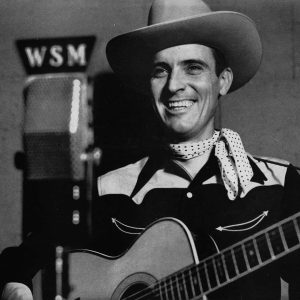
Ernest Tubb influenced rock and roll by helping popularize honky-tonk country music, which played a crucial role in shaping rock’s sound and themes. Known for his distinctive, straightforward vocal style and electric guitar use, Tubb brought a raw, relatable quality to country music that resonated with working-class audiences. His songs often dealt with themes of love, heartbreak, and everyday struggles—topics that became central in rock and roll lyrics. Tubb’s blend of traditional country with a more modern, amplified sound helped pave the way for rock’s incorporation of electric instruments and storytelling. By bridging the gap between country and popular music, Ernest Tubb contributed to rock and roll’s evolution as a genre rooted in authenticity and emotional expression.
Kitty Wells
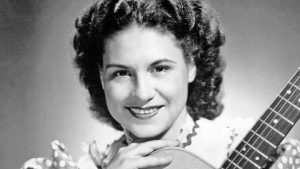
Kitty Wells influenced rock and roll by breaking barriers for female artists and shaping the genre’s emotional storytelling. As the “Queen of Country Music,” Wells was one of the first women to achieve major success in a male-dominated industry during the 1950s. Her hit “It Wasn’t God Who Made Honky Tonk Angels” challenged traditional gender roles and gave voice to women’s perspectives, inspiring rock and roll artists to explore more diverse and honest themes. Wells’ clear, emotive singing style influenced female rock vocalists to embrace vulnerability and strength in their performances. By paving the way for women in popular music and emphasizing authentic storytelling, Kitty Wells helped expand rock and roll’s cultural reach and emotional depth.
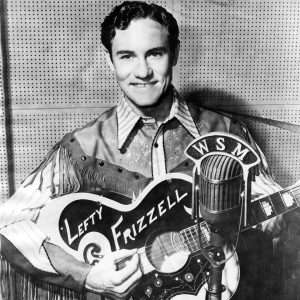
Lefty Frizzel
Lefty Frizzell influenced rock and roll by shaping the vocal style and storytelling approach that many early rock and country-rock artists adopted. Known for his smooth, relaxed singing and distinctive phrasing, Frizzell’s ability to convey emotion with subtle vocal inflections inspired rock singers to explore more nuanced, heartfelt performances. His honky-tonk and country roots helped bridge traditional country music with the emerging rock and roll sound, especially influencing artists who blended genres. Frizzell’s success in the 1950s showed how personal storytelling and emotional authenticity could connect deeply with audiences, a hallmark that carried into rock music. By pioneering a more expressive vocal style and narrative lyricism, Lefty Frizzell contributed to rock and roll’s evolving musical and emotional complexity.