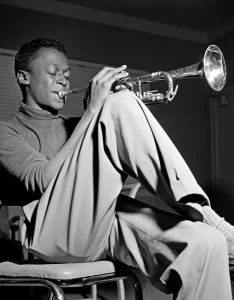
Miles Davis, a groundbreaking jazz trumpeter, had a profound influence on the evolution of rock and roll, particularly through his innovative approach to improvisation and fusion of genres. His work in the 1950s and 1960s, especially albums like Kind of Blue and Bitches Brew, challenged traditional musical boundaries and encouraged rock musicians to explore more experimental and complex forms of music. Davis’ embrace of modal jazz and his ability to blend jazz with rock elements in Bitches Brew directly influenced artists like Jimi Hendrix and Santana, who incorporated improvisational techniques and jazz-inspired rhythms into their rock music. His forward-thinking attitude and willingness to break musical conventions helped shape the more adventurous, genre-blending spirit of rock and roll. Through his exploration of sound and rhythm, Davis opened the door for rock musicians to experiment with mood, texture, and the fusion of different musical styles.
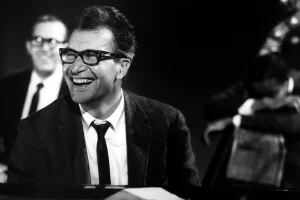
Dave Brubeck
Dave Brubeck influenced rock and roll by expanding its rhythmic and musical complexity through his pioneering work in jazz. Though primarily a jazz pianist and composer, Brubeck’s experimentation with unusual time signatures, such as in the iconic “Take Five,” inspired rock musicians to explore more adventurous rhythms and structures. His blend of cool jazz and classical elements encouraged artists to push beyond the standard 4/4 rock beat, opening the door for progressive rock and fusion genres. Brubeck’s sophisticated approach to melody and harmony influenced rock composers to incorporate jazz sensibilities, helping elevate rock from straightforward pop into a more intricate, experimental art form. His legacy bridges jazz and rock, showing how rhythmic innovation can transform popular music.
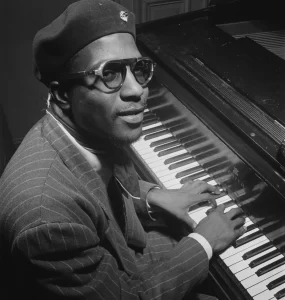
Thelonious Monk
Thelonious Monk influenced rock and roll by introducing bold, unconventional jazz techniques that challenged traditional musical boundaries. As a pioneering jazz pianist and composer, Monk’s use of dissonant harmonies, unexpected pauses, and angular melodies inspired rock musicians to experiment with more complex and abstract sounds. His rhythmic innovation and unique approach to improvisation encouraged rock artists to break free from standard song structures and embrace creative spontaneity. Monk’s distinctive style helped pave the way for the fusion of jazz and rock, influencing genres like psychedelic and progressive rock. By pushing the limits of harmony and rhythm, Thelonious Monk expanded rock’s musical vocabulary, inspiring musicians to explore new artistic possibilities and express individuality within the genre.
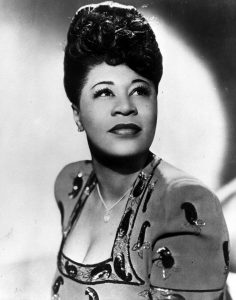
Ella Fitzgerald
Ella Fitzgerald influenced rock and roll by shaping vocal techniques and performance styles that many rock singers later adopted. Known as the “First Lady of Song,” her impeccable pitch, rhythmic phrasing, and masterful scat singing showcased the power and versatility of the human voice. Ella’s ability to improvise and convey deep emotion inspired rock vocalists to experiment with their delivery, pushing beyond straightforward singing to include more expressive, dynamic, and soulful performances. Her crossover appeal helped break down racial and genre barriers, paving the way for greater diversity in rock music. By setting high standards for vocal artistry and stage presence, Ella Fitzgerald helped rock and roll singers develop a richer, more nuanced approach to singing and live shows.
Louis Armstrong
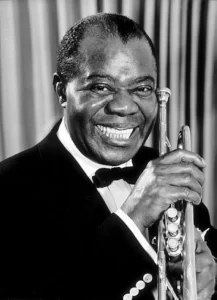
Louis Armstrong profoundly influenced rock and roll by laying the groundwork for popular music’s energy, rhythm, and expressive freedom. As a pioneering jazz trumpeter and vocalist, Armstrong’s charismatic performances and innovative improvisations introduced a new level of showmanship and emotional intensity that rock artists embraced. His distinctive gravelly voice and ability to convey raw feeling inspired many rock and roll singers to explore more soulful, authentic vocal styles. Armstrong’s rhythmic innovations helped shape the groove and swing that became fundamental to rock’s upbeat sound. By breaking racial barriers and bringing jazz into mainstream American culture, Armstrong paved the way for the diverse influences that would blend into rock and roll, making him a key figure in the genre’s evolution.
Sonny Rollins
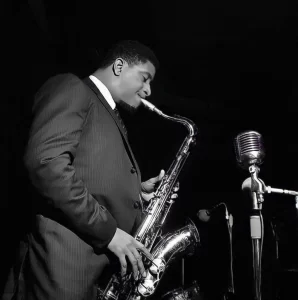
Sonny Rollins influenced rock and roll by pushing the boundaries of improvisation and musical expression through his pioneering work as a jazz saxophonist. Known for his powerful tone, inventive solos, and mastery of rhythm, Rollins inspired rock musicians to embrace more spontaneous, expressive playing styles. His exploration of complex melodies and dynamic phrasing encouraged rock artists to experiment beyond simple riffs, adding emotional depth and technical sophistication to their music. Rollins’ ability to blend melody with rhythmic intensity influenced the development of jazz-rock fusion and progressive rock, genres that bridged jazz’s complexity with rock’s energy. Through his innovative approach, Sonny Rollins helped expand rock and roll’s musical vocabulary and inspired artists to push creative limits.
Art Blakey
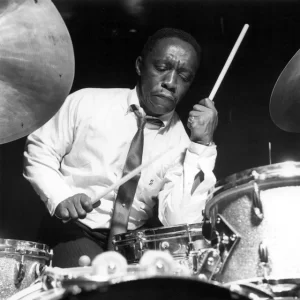
Art Blakey influenced rock and roll by bringing the powerful energy and complex rhythms of jazz drumming into the broader music landscape. As a legendary jazz drummer and bandleader of The Jazz Messengers, Blakey’s driving beats and dynamic style inspired rock drummers to adopt a more aggressive, expressive approach behind the kit. His emphasis on improvisation and rhythmic innovation encouraged rock musicians to explore more intricate patterns and syncopation, pushing rock’s rhythmic boundaries. Blakey’s mentorship of young jazz talents also helped fuse jazz’s creative spirit with rock’s rebellious attitude, influencing the rise of jazz-rock fusion. By injecting jazz’s intensity and spontaneity into percussion, Art Blakey played a key role in shaping the powerful, rhythm-driven foundation of rock and roll.
Duke Ellington
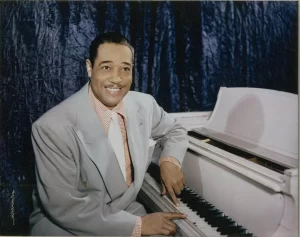
Duke Ellington influenced rock and roll by elevating the role of composition, arrangement, and musical sophistication in popular music. As a legendary jazz bandleader and composer, Ellington’s intricate orchestrations and innovative harmonies expanded the possibilities of musical expression, inspiring rock musicians to approach songwriting with greater complexity. His blending of jazz, blues, and swing elements laid the groundwork for many rock genres, especially rhythm and blues and early rock and roll. Ellington’s emphasis on individuality within a collective ensemble encouraged rock bands to experiment with diverse sounds and styles. By proving that popular music could be artistically ambitious and commercially successful, Duke Ellington helped shape rock’s evolution into a richer, more varied, and expressive genre.
Sarah Vaughan
Sarah Vaughan influenced rock and roll by inspiring vocalists with her extraordinary range, emotional depth, and jazz phrasing. Known for her rich, expressive voice and impeccable control, Vaughan showed rock singers how to use dynamics and improvisation to convey powerful feelings beyond straightforward melodies. Her ability to blend technical mastery with soulful emotion encouraged rock artists to experiment with more complex vocal styles and phrasing. Vaughan’s crossover success helped break down genre barriers, proving that jazz and pop vocals could influence rock’s development. By elevating vocal artistry and demonstrating the power of emotional nuance, Sarah Vaughan played a key role in shaping rock and roll’s approach to singing, encouraging a more expressive, versatile vocal tradition.
Charles Mingus
Charles Mingus influenced rock and roll by pushing musical boundaries through his innovative jazz compositions and energetic performances. As a bassist and bandleader, Mingus combined complex harmonies, powerful rhythms, and raw emotional intensity, inspiring rock musicians to embrace greater musical sophistication and expressiveness. His fearless blending of jazz, blues, and gospel elements encouraged rock artists to experiment with genre fusion and dynamic arrangements. Mingus’ emphasis on improvisation and social commentary resonated with rock’s rebellious spirit, influencing progressive and psychedelic rock movements. By challenging traditional structures and championing creative freedom, Charles Mingus helped shape rock and roll into a more adventurous, emotionally charged genre that values artistic exploration and authenticity.
Dinah Washington
Dinah Washington influenced rock and roll by bringing powerful emotion, vocal versatility, and a blend of jazz, blues, and R&B into popular music, which deeply shaped rock’s vocal and stylistic development. Known as the “Queen of the Blues,” Washington’s expressive phrasing and commanding presence inspired rock singers to embrace raw feeling and dynamic range. Her ability to convey heartbreak, joy, and resilience influenced rock’s storytelling and emotional honesty. By crossing genres and appealing to diverse audiences, Washington helped break down musical and racial barriers, paving the way for rock and roll’s inclusive spirit. Her impact is heard in the soulful intensity and vocal power that became hallmarks of rock music’s evolving sound.
Chet Baker
Chet Baker influenced rock and roll by introducing a cool, introspective style that blended jazz’s lyrical sensitivity with emotional vulnerability. Known for his smooth trumpet playing and fragile, haunting vocals, Baker showed rock musicians how to convey mood and feeling through subtlety rather than force. His understated approach influenced the softer side of rock, particularly in genres like folk rock and soft rock, where emotional nuance became key. Baker’s blend of jazz improvisation with melodic simplicity encouraged rock artists to explore more intimate, expressive sounds. By emphasizing mood and atmosphere over technical showmanship, Chet Baker helped expand rock’s emotional palette, inspiring singers and instrumentalists to prioritize feeling and personal connection in their music.