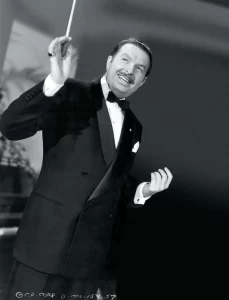
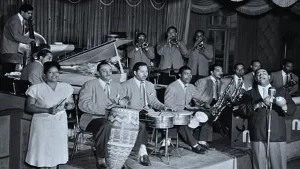
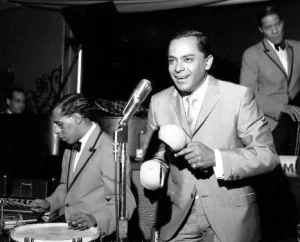
DescripXavier Cugat influenced rock and roll by introducing Latin rhythms and styles that broadened the genre’s musical palette. As a bandleader and “King of Latin Music,” Cugat popularized Afro-Cuban beats, mambo, and cha-cha, which permeated American popular music from the 1930s through the 1950s. His infectious rhythms and lively arrangements inspired rock and roll musicians to incorporate Latin percussion and syncopation into their sound, helping create danceable, energetic grooves central to rock’s development. Cugat’s fusion of Latin music with jazz and big band styles paved the way for later rock subgenres like Latin rock and influenced artists to experiment with diverse cultural sounds. His work helped make rock and roll more rhythmically vibrant and globally influenced.tion
Tito Puente
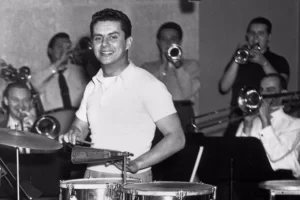
Tito Puente influenced rock and roll by infusing it with vibrant Latin rhythms, especially Afro-Cuban percussion styles like mambo and salsa. Known as the “King of Latin Music,” Puente’s energetic performances and innovative arrangements introduced rock musicians to complex, danceable beats that added new layers of rhythm and excitement. His work helped bridge cultural gaps, inspiring rock artists to experiment with Latin percussion instruments such as timbales and congas. This fusion enriched rock’s sound, contributing to the emergence of Latin rock and influencing bands like Santana. Puente’s emphasis on rhythm and groove encouraged rock musicians to explore diverse musical traditions, making rock and roll a more dynamic and globally inspired genre.
Perez Prado
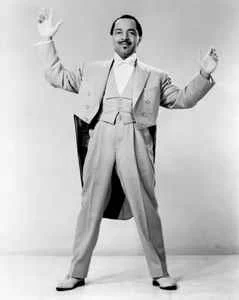
Perez Prado influenced rock and roll by popularizing Latin dance music, especially mambo, which injected vibrant energy and rhythmic complexity into the evolving rock sound. Known as the “King of Mambo,” Prado’s lively arrangements and driving beats captivated American audiences in the 1950s, inspiring rock musicians to incorporate syncopated rhythms and brass-heavy instrumentation. His infectious grooves helped shape the danceable, upbeat feel that became a hallmark of early rock and roll. Prado’s success demonstrated the commercial potential of Latin music in mainstream markets, encouraging rock artists to explore cross-cultural sounds. By blending Afro-Cuban rhythms with big band jazz, Perez Prado expanded rock and roll’s rhythmic vocabulary and contributed to its rich, diverse musical foundation.
Harry Belafonte
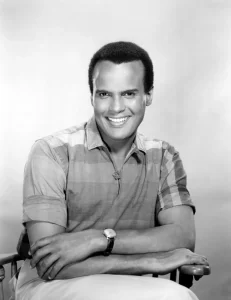
Harry Belafonte influenced rock and roll by popularizing Caribbean and calypso music, introducing new rhythms and cultural elements to mainstream American audiences in the 1950s and 1960s. His hit “Day-O (The Banana Boat Song)” showcased the infectious, danceable beats of calypso, which inspired rock musicians to incorporate tropical rhythms and melodic styles into their music. Belafonte’s fusion of folk, pop, and world music encouraged artists to experiment with diverse sounds beyond traditional rock and roll. Additionally, his charismatic stage presence and socially conscious lyrics influenced rock artists to use their music for storytelling and activism. Harry Belafonte’s role in bridging cultural gaps enriched rock and roll’s rhythmic diversity and global appeal.
Machito and His Afro-Cubans
Machito and his band, the Afro-Cubans, profoundly influenced rock and roll by introducing Afro-Cuban jazz and complex Latin rhythms that expanded the genre’s rhythmic and cultural horizons. Machito’s innovative fusion of Cuban percussion with big band jazz in the 1940s and 1950s brought infectious clave patterns, mambo, and rumba beats into American music. These rhythmic foundations inspired rock musicians to incorporate Latin percussion and syncopation, enriching rock’s danceability and groove. Machito’s Afro-Cubans helped pave the way for Latin rock and fusion genres, influencing artists like Santana. Their vibrant, energetic sound encouraged rock and roll to embrace multiculturalism and rhythmic diversity, making the music more dynamic and globally connected.
Tito Rodríguez
Tito Rodríguez influenced rock and roll by bringing vibrant Latin jazz and mambo rhythms into the American music scene, enriching rock’s rhythmic diversity. As a leading bandleader in the 1940s and 1950s, Rodríguez’s lively arrangements and charismatic performances popularized Afro-Caribbean beats like mambo and bolero. These infectious rhythms inspired rock musicians to experiment with Latin percussion and syncopation, adding new layers of energy and danceability to rock and roll. Tito Rodríguez’s blend of jazz sophistication and tropical flair helped shape the development of Latin rock and fusion genres, influencing artists such as Santana. His music broadened rock’s cultural and musical horizons, contributing to its evolution into a more rhythmically rich and globally inspired genre.