Surreal lyrics and a heavy dose of reverb and fuzz
The Beatles
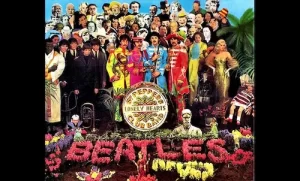
1960s psychedelic rock was heavily influenced by The Beatles, especially during their mid-to-late career. With albums like Revolver (1966) and Sgt. Pepper’s Lonely Hearts Club Band (1967), The Beatles embraced studio experimentation, non-Western instruments like the sitar, surreal lyrics, and innovative recording techniques. Songs like “Tomorrow Never Knows” and “Lucy in the Sky with Diamonds” introduced psychedelic sounds to a global audience. Their willingness to break from traditional pop structures inspired countless bands to explore altered states of consciousness through music. The Beatles helped legitimize psychedelic rock as both a commercial force and an artistic movement, influencing artists like Pink Floyd, The Byrds, and Jefferson Airplane to follow suit with more experimental, mind-expanding sounds.
The Jimi Hendrix Experience
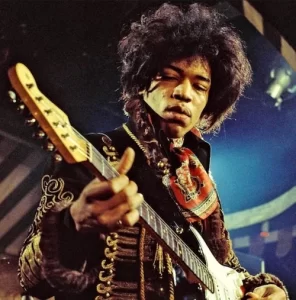
The Jimi Hendrix Experience had a profound impact on 1960s psychedelic rock, blending explosive guitar work with experimental soundscapes. Hendrix’s innovative use of distortion, wah-wah pedals, and feedback redefined what the electric guitar could do, pushing psychedelic rock into heavier, more improvisational territory. Songs like “Purple Haze” and “Third Stone from the Sun” combined blues roots with surreal lyrics and studio experimentation, capturing the psychedelic spirit both sonically and thematically. The band’s dynamic performances and bold fusion of rock, jazz, and funk expanded the genre’s possibilities. Hendrix’s creativity influenced contemporaries like Cream and The Doors, establishing a new standard for technical skill, sonic exploration, and the expressive power of psychedelic music.
The Doors
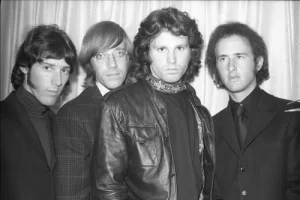
The Doors significantly shaped 1960s psychedelic rock with their dark, poetic lyrics, haunting organ sounds, and fusion of rock, blues, and Eastern influences. Frontman Jim Morrison’s moody, often surreal lyrics explored themes of death, freedom, and altered consciousness, aligning with the psychedelic movement’s fascination with the mind’s inner workings. Songs like “The End” and “Riders on the Storm” featured extended, hypnotic arrangements and improvisational sections that broke from standard pop formats. Ray Manzarek’s swirling keyboard textures added a trance-like quality, while the band’s dramatic live performances deepened the mystique. The Doors gave psychedelic rock a more theatrical, literary edge, influencing later acts to combine music with deeper philosophical and emotional themes.
Pink Floyd
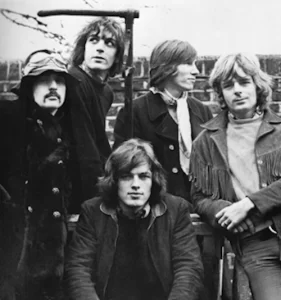
Pink Floyd was a key force in shaping 1960s psychedelic rock, especially through their early work with founding member Syd Barrett. Their debut album, The Piper at the Gates of Dawn (1967), featured whimsical lyrics, experimental guitar effects, and extended instrumental passages that embodied the psychedelic experience. Barrett’s use of distortion, echo, and tape loops helped craft surreal soundscapes that broke away from traditional rock structures. The band’s live shows often included elaborate light displays, enhancing the immersive, mind-bending atmosphere of their music. Pink Floyd pushed psychedelic rock toward the avant-garde, emphasizing mood, texture, and atmosphere over catchy hooks. Their influence opened the door for more conceptual and progressive approaches in rock music, both during and beyond the 1960s.
Jefferson Airplane
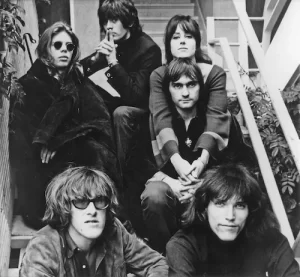
Jefferson Airplane was a central figure in the rise of 1960s psychedelic rock, especially on the West Coast scene. With their breakthrough album Surrealistic Pillow (1967), they blended folk-rock roots with electric distortion, surreal lyrics, and a countercultural message. Songs like “White Rabbit” and “Somebody to Love” captured the spirit of the psychedelic era, mixing drug-inspired imagery with powerful vocals and experimental arrangements. Grace Slick’s commanding voice and the band’s willingness to embrace political and social themes helped distinguish their sound. Their performances at major events like Woodstock and the Monterey Pop Festival cemented their role as psychedelic icons. Jefferson Airplane helped define the San Francisco Sound, inspiring a wave of artists to fuse rock with mind-expanding, rebellious themes.
The Byrds
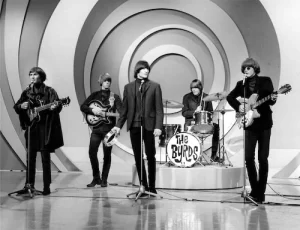
The Byrds played a crucial role in shaping 1960s psychedelic rock by blending folk music with experimental rock sounds. Initially known for their jangly 12-string guitar and Bob Dylan covers, they shifted toward psychedelia with songs like “Eight Miles High,” which featured swirling guitar effects, modal melodies, and abstract lyrics. Influenced by Indian ragas and jazz improvisation, The Byrds introduced a more cerebral, ethereal sound to rock music. Their use of studio effects, layered harmonies, and non-traditional song structures inspired other bands to explore new sonic territory. As pioneers of both folk-rock and psychedelic rock, The Byrds helped bridge traditional songwriting with the freeform spirit of the psychedelic movement, paving the way for bands like Love, The Grateful Dead, and early Pink Floyd.
Grateful Dead
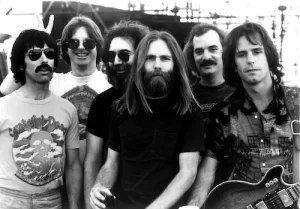
The Grateful Dead were instrumental in shaping 1960s psychedelic rock through their improvisational style, eclectic influences, and deep connection to the counterculture. Drawing from folk, blues, bluegrass, and jazz, the band created long, freeform jams that mirrored the unpredictable, mind-expanding experience of psychedelia. Their early albums, like Anthem of the Sun (1968), blended live and studio recordings to create a swirling, experimental soundscape. The Dead’s association with LSD advocate Ken Kesey and the Acid Tests tied their music directly to the psychedelic experience. Unlike more polished acts, they embraced spontaneity and communal energy, making their live shows legendary. The Grateful Dead redefined rock as a fluid, evolving experience, influencing countless bands to value experimentation, audience connection, and musical exploration.
Cream
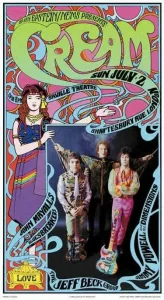
Cream helped shape 1960s psychedelic rock by blending blues roots with heavy guitar riffs, extended solos, and experimental sounds. As one of the first power trios, they brought a raw, improvisational energy to the genre, especially in live performances. Songs like “Sunshine of Your Love” and “Tales of Brave Ulysses” showcased Eric Clapton’s innovative guitar work, Jack Bruce’s melodic bass lines, and Ginger Baker’s jazz-influenced drumming. The band incorporated wah-wah pedals, feedback, and vivid, often surreal lyrics that aligned with psychedelic themes. Cream’s ability to fuse heavy rock with psychedelic textures helped pave the way for both hard rock and progressive music, while their bold musicianship pushed the boundaries of what rock bands could express during the psychedelic era.
13th Floor Elevators
The 13th Floor Elevators were pioneers of psychedelic rock, known for coining the term “psychedelic rock” and fully embracing its themes and aesthetics. Their 1966 debut album The Psychedelic Sounds of the 13th Floor Elevators fused raw garage rock with reverb-heavy guitars, echo effects, and Roky Erickson’s unhinged vocals. Electric jug, played by Tommy Hall, added a swirling, otherworldly texture that became their sonic signature. The band’s lyrics delved into altered consciousness, inner exploration, and mind expansion, often influenced by LSD and Eastern philosophy. Their fearless experimentation and countercultural spirit helped set the tone for the genre’s development. Though short-lived, the Elevators inspired later psychedelic and punk movements, leaving a lasting imprint on underground rock’s evolution.
Love
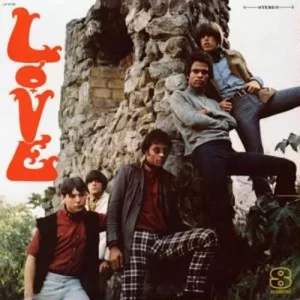
The band Love, led by Arthur Lee, played a key role in the development of 1960s psychedelic rock by blending folk, garage rock, and orchestral elements with poetic, often abstract lyrics. Their 1967 album Forever Changes is widely considered a psychedelic masterpiece, noted for its lush arrangements, unexpected tempo shifts, and introspective themes about love, death, and disillusionment. Unlike many psychedelic bands focused on outward experimentation, Love brought a more introspective, melancholic tone to the genre. They incorporated horns, strings, and acoustic guitars, creating a haunting, dreamlike atmosphere. Lee’s visionary songwriting and the band’s willingness to defy rock norms influenced groups like The Doors and later alternative acts, helping to broaden the emotional and musical range of psychedelic rock.