1960's Surf
Reverb-heavy guitar sound. Beach-centric vibes.
Dick Dale & His Del-Tones
Dick Dale, known as the “King of the Surf Guitar,” had a significant influence on rock and roll through his unique guitar style and sound. Blending Middle Eastern melodies with rapid alternate picking and heavy reverb, he created a distinctive surf rock sound that pushed the boundaries of electric guitar. His innovative techniques, such as fast-paced picking and heavy use of Fender amplifiers, directly inspired future rock and metal guitarists. Dale’s 1961 hit “Misirlou” became an iconic track, later popularized in the 1994 film Pulp Fiction, showcasing his lasting impact. His collaboration with Fender also helped shape the development of high-powered amplifiers, paving the way for louder, more aggressive rock performances that defined later genres.
The Beach Boys
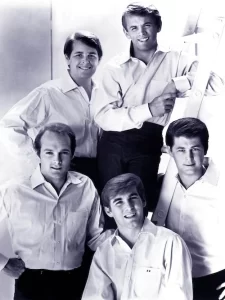
The Beach Boys played a key role in shaping the surf sound of rock and roll with their rich vocal harmonies, catchy melodies, and lyrics that celebrated Southern California beach culture. Led by Brian Wilson, the band blended rock and roll with elements of jazz, doo-wop, and classical music, creating a polished and sunny sound that defined the surf music era. Songs like “Surfin’ USA” and “California Girls” captured the carefree spirit of surfing and youth, helping popularize surf rock beyond the California coast. Their innovative studio techniques and layered harmonies also influenced future rock and pop artists, making the Beach Boys essential to both the development and evolution of the surf rock genre.
The Ventures
The Ventures were instrumental in shaping the surf sound of rock and roll through their pioneering instrumental guitar work. Known for hits like “Walk, Don’t Run,” the band emphasized clean, melodic guitar lines, twangy tones, and reverb-heavy effects that became hallmarks of surf rock. Their precise musicianship and creative arrangements influenced countless surf bands in the early 1960s. The Ventures also popularized the use of the electric guitar as a lead instrument, helping define the genre’s sonic identity. While they weren’t strictly a surf band, their music laid the groundwork for the surf sound, inspiring artists like Dick Dale and The Beach Boys. Their global popularity also helped spread surf rock’s influence far beyond the California coast.
Jan and Dean
Jan and Dean were pivotal in shaping the surf sound of rock and roll during the early 1960s. Their upbeat harmonies, catchy melodies, and lyrics celebrating California beach culture helped define the genre. Working closely with Brian Wilson of the Beach Boys, they co-wrote hits like “Surf City,” the first surf song to top the Billboard Hot 100. Jan Berry’s production techniques also mirrored the complex arrangements found in Phil Spector’s Wall of Sound, adding polish to the sun-soaked, carefree vibe. By blending humor, youth appeal, and inventive studio work, Jan and Dean made surf rock more mainstream. Ironically, though they personified the surf lifestyle, neither was an avid surfer themselves.
The Surfaris
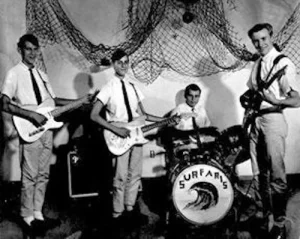
The Surfaris had a major impact on the surf sound of rock and roll, most famously through their 1963 instrumental hit “Wipe Out.” With its explosive drum solo and twangy guitar riffs, “Wipe Out” became an iconic surf anthem, capturing the energy and excitement of Southern California beach life. The song’s raw, garage-band feel contrasted with the polished harmonies of vocal surf acts like the Beach Boys and Jan and Dean, helping to establish the instrumental side of the genre. The Surfaris showcased the power of rhythm-driven, guitar-heavy tracks in surf rock, influencing countless bands to follow. Ironically, the famous maniacal laugh and breaking surfboard sound at the start of “Wipe Out” was recorded as a last-minute joke—and became legendary.
The Chantays
ChatGPT said:
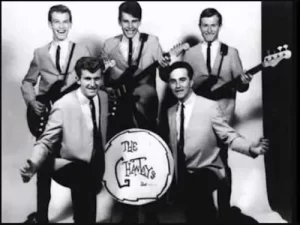
The Chantays helped define the instrumental surf rock sound with their 1963 hit “Pipeline,” a moody, atmospheric track that became one of the genre’s most enduring anthems. Unlike the more upbeat, vocal-driven surf music of the era, the Chantays emphasized echoing guitar lines, reverb-soaked tones, and a haunting melody that evoked the ebb and flow of ocean waves. Their blend of rock instrumentation with a cinematic feel set them apart and influenced a wave of instrumental surf bands. “Pipeline” was so iconic that it was later covered by artists like Dick Dale and Stevie Ray Vaughan. Ironically, the Chantays were still in high school when they recorded the song that would come to define an entire branch of surf rock.

The Bel-Airs
The Bel-Airs were crucial in shaping the early surf rock sound with their 1961 instrumental hit “Mr. Moto,” widely considered one of the first true surf rock recordings. The track featured fast-paced drumming, melodic lead guitar, and flamenco-inspired chords, creating a dramatic and energetic style that influenced the genre’s development. Their use of reverb-drenched Fender guitars captured the feel of crashing waves and open beaches, elements that became trademarks of surf music. The Bel-Airs helped shift rock and roll toward a California-centered, beach-themed identity, inspiring later surf legends like Dick Dale and The Chantays. Ironically, despite their foundational role, the Bel-Airs never enjoyed major commercial success—but their sound helped launch a cultural wave that still rolls on.
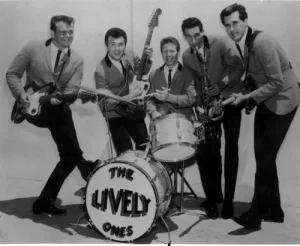
The Lively Ones
The Lively Ones played a key role in popularizing instrumental surf rock in the early 1960s with their energetic, guitar-driven sound. Their 1963 hit “Surf Rider,” originally written by Nokie Edwards of The Ventures, became a surf rock staple, especially after its inclusion in Quentin Tarantino’s Pulp Fiction decades later. The Lively Ones emphasized clean, reverb-heavy guitar tones, rapid-fire picking, and driving rhythms—capturing the thrill and motion of surfing. Their tight musicianship and high-energy performances helped define the Southern California surf scene. Though they primarily recorded covers of other surf songs, they elevated them with precision and flair. Ironically, their biggest resurgence came 30 years later, proving that the surf sound they championed had timeless appeal.
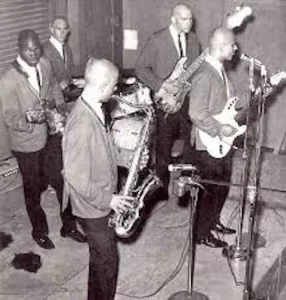
The Pyramids
The Pyramids added a raw, rebellious edge to the surf rock sound with their 1964 hit “Penetration,” one of the last major instrumental surf songs before the British Invasion reshaped rock. Known for its driving beat, sharp guitar lines, and powerful rhythm, “Penetration” captured the essence of surf music’s energy and urgency. The Pyramids stood out not only for their tight musicianship but also for breaking racial barriers in a genre largely dominated by white musicians. Their signature shaved heads and surfboard stage antics gave them a distinct image in the surf scene. Ironically, despite “Penetration” becoming a surf classic, the band’s success was short-lived—but their influence helped push surf rock to its peak just before it was wiped out by changing musical tides.
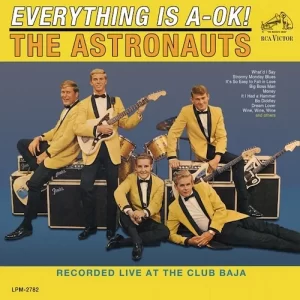
The Astronauts
The Astronauts were one of the few surf rock bands to emerge from outside California, hailing from landlocked Boulder, Colorado—yet they still made a major mark on the genre. Known for their powerful instrumentals and heavy use of Fender reverb, The Astronauts delivered a cleaner, more polished take on surf rock. Their 1963 hit “Baja” became a regional favorite and showcased their signature sound: crisp guitar leads, tight rhythm sections, and energetic tempos. They were especially popular in Japan, where they outsold many of their American peers. The Astronauts proved that surf music wasn’t just tied to geography—it was about attitude, style, and sound. Ironically, despite their distance from the ocean, they became one of the most technically proficient surf bands of the era.