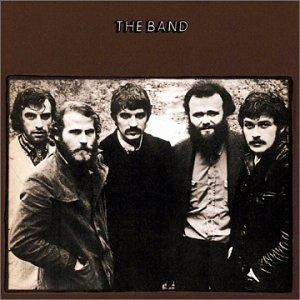
Americana rock and roll was deeply influenced by The Band through their fusion of rock, country, folk, and rhythm and blues, creating a rootsy, nostalgic sound that felt distinctly American. Originally backing Bob Dylan, The Band emerged with Music from Big Pink (1968), which countered the psychedelic rock trend with earthy storytelling and raw instrumentation. Their use of multi-part harmonies, traditional instruments like mandolins and accordions, and lyrics rooted in American history and rural life helped shape the Americana genre. Songs like “The Weight” and “The Night They Drove Old Dixie Down” offered a timeless, soulful narrative style that inspired artists like Bruce Springsteen, Wilco, and the Avett Brothers. The Band reconnected rock with its roots, making Americana rock possible.
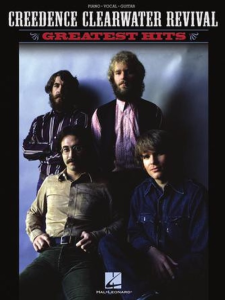
Creedence Clearwate Revival (CCR)
Creedence Clearwater Revival (CCR) played a major role in shaping Americana rock and roll by blending Southern blues, swamp rock, and classic rock and roll with socially conscious lyrics and working-class themes. Though from California, CCR’s sound evoked the Mississippi Delta with its twangy guitars, gritty vocals, and vivid storytelling. Hits like “Born on the Bayou,” “Proud Mary,” and “Bad Moon Rising” captured a raw, rootsy energy that became central to Americana music. Their stripped-down sound, avoidance of studio gimmicks, and embrace of American musical traditions influenced countless artists seeking authenticity. CCR brought a distinctly American flavor back into rock, rooted in blues, folk, and country, helping to define what Americana rock would become in later decades.
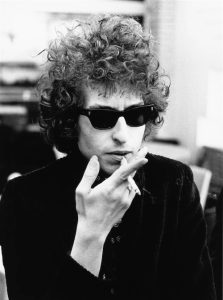
Bob Dylan
Bob Dylan profoundly influenced Americana rock and roll by blending folk storytelling, poetic lyrics, and traditional American music forms with the rebellious spirit of rock. His early acoustic albums drew from blues, country, and Appalachian folk, while his electric shift in the mid-1960s—seen in Highway 61 Revisited and Blonde on Blonde—married gritty rock and roll with deeply personal and political themes. Dylan’s ability to craft vivid narratives about American life, struggle, and identity became a blueprint for Americana artists. His collaborations with The Band further emphasized roots-based music, inspiring a generation to explore the intersections of folk, rock, and country. Dylan’s legacy helped Americana become a genre rooted not just in sound, but in meaningful lyrical storytelling.Coming soon
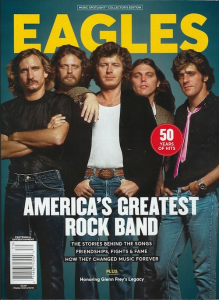
Eagles
The Eagles had a significant impact on Americana rock and roll by seamlessly blending rock, country, and folk into a polished yet rootsy sound that resonated with mainstream audiences. Their harmonies, storytelling lyrics, and use of traditional instruments like banjos and pedal steel guitars helped bridge the gap between country and rock. Songs such as “Take It Easy,” “Peaceful Easy Feeling,” and “Lyin’ Eyes” captured the spirit of the American landscape—open roads, broken hearts, and dusty towns. The Eagles popularized a Southern California country-rock aesthetic that laid the groundwork for modern Americana. Their massive commercial success also proved that music grounded in American roots traditions could thrive on a global stage without losing its authenticity.
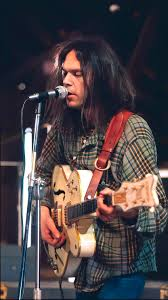
Neil Young
Neil Young’s influence on Americana rock and roll lies in his raw, emotionally charged songwriting and his ability to blend folk, country, and rock with authenticity and grit. From acoustic ballads like “Heart of Gold” to electrified, grungy tracks with Crazy Horse, Young embraced both the gentle and rugged sides of American music. His lyrics often explored deeply personal themes, rural imagery, and social issues, all central to the Americana ethos. Albums like Harvest and After the Gold Rush became templates for emotionally honest, roots-based rock. Young’s refusal to follow trends, his embrace of imperfection, and his deep connection to American musical traditions made him a foundational figure in shaping the heart and soul of Americana rock.
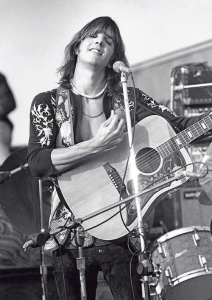
Gram Parsons
Gram Parsons is often credited with pioneering the fusion of country music and rock, a blend that became a cornerstone of Americana rock and roll. Through his work with The Byrds (Sweetheart of the Rodeo), The Flying Burrito Brothers, and his solo albums, Parsons introduced traditional country instrumentation—like pedal steel guitar—into rock settings. He called this hybrid “Cosmic American Music,” combining the emotional storytelling of country with the rebellious edge of rock and roll. His songwriting, filled with themes of love, loss, and longing, echoed the spirit of rural America. Parsons also influenced countless artists, including Emmylou Harris, who helped carry his legacy forward. His vision laid the foundation for modern Americana, emphasizing authenticity, roots, and emotional depth in rock music.
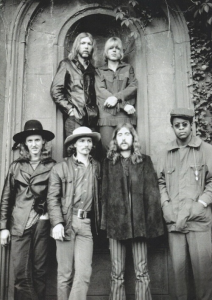
The Allman Brothers Band
The Allman Brothers Band played a pivotal role in shaping Americana rock and roll by blending Southern blues, country, jazz, and rock into a powerful, roots-driven sound. Their improvisational style, dual guitar harmonies, and gritty authenticity helped define Southern rock, a subgenre closely tied to Americana. Songs like “Ramblin’ Man,” “Midnight Rider,” and “Melissa” reflected themes of travel, hardship, and Southern identity—core elements of Americana. The band’s musicianship and soulful storytelling created a bridge between the traditions of American roots music and modern rock. Their live performances, particularly extended jams like those on At Fillmore East, showcased the emotional and musical depth that Americana would come to embrace. The Allman Brothers made American roots music electrifying, expansive, and enduring.
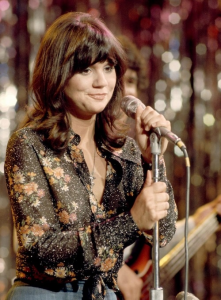
Linda Ronstadt
Linda Ronstadt had a profound influence on Americana rock and roll by blending country, rock, folk, and pop with stunning vocal versatility and a deep respect for traditional American music. In the 1970s, albums like Heart Like a Wheel and Simple Dreams showcased her ability to interpret songs by artists such as Hank Williams, Roy Orbison, and Warren Zevon, bringing roots-based music to mainstream audiences. Her collaborations with musicians like Emmylou Harris and Dolly Parton further explored the intersections of country, folk, and rock, helping define the Americana genre. Ronstadt’s commitment to authenticity, emotional storytelling, and musical exploration made her a bridge between classic American sounds and contemporary rock, inspiring countless artists in the Americana movement.
Bruce Springsteen
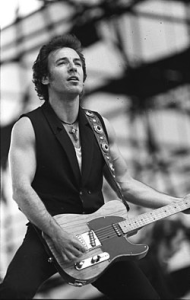
Bruce Springsteen deeply influenced Americana rock and roll by crafting songs that captured the struggles, hopes, and spirit of everyday Americans. Drawing from rock, folk, country, and soul, Springsteen’s music echoed the storytelling traditions of Woody Guthrie and Bob Dylan while adding the grit and energy of rock and roll. Albums like Nebraska and The Ghost of Tom Joad embraced stripped-down acoustic arrangements and rural themes, embodying the heart of Americana. His characters—factory workers, drifters, and dreamers—reflected real-life Americana with authenticity and emotional depth. Springsteen’s emphasis on lyrical narrative, blue-collar values, and American landscapes inspired generations of roots-rock and Americana artists to tell their own stories with honesty and heart.
Jackson Browne
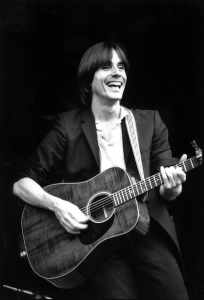
Jackson Browne significantly influenced Americana rock and roll through his introspective songwriting, blending folk, country, and rock with a deep emotional core. Emerging from the Southern California singer-songwriter scene in the early 1970s, Browne wrote poetic lyrics that explored themes of love, loss, identity, and the American experience. Albums like Late for the Sky and The Pretender featured warm acoustic textures and honest storytelling that became hallmarks of the Americana genre. His collaborations with members of the Eagles and Linda Ronstadt helped shape the country-rock sound that bridged traditional American music with modern rock. Browne’s heartfelt narratives and commitment to social and personal reflection laid the groundwork for the thoughtful, roots-based songwriting central to Americana rock.
Little Feat
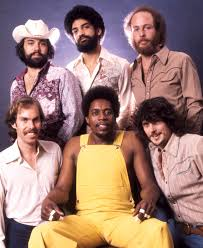
Little Feat influenced Americana rock and roll by blending rock, blues, country, funk, and New Orleans R&B into a unique, genre-defying sound rooted in American musical traditions. Founded by Lowell George, the band combined intricate musicianship with playful, soulful songwriting, creating a rich tapestry of roots music that was both innovative and authentic. Songs like “Dixie Chicken” and “Willin’” captured themes of travel, longing, and Southern life—key Americana elements. Their fusion of diverse styles and emphasis on groove and improvisation inspired Americana artists to embrace eclectic influences while staying connected to American roots. Little Feat’s dynamic live performances and genre-blurring sound helped expand the boundaries of Americana rock, making it more vibrant and inclusive.