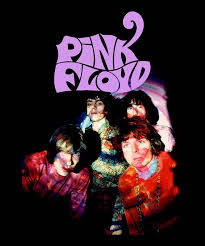
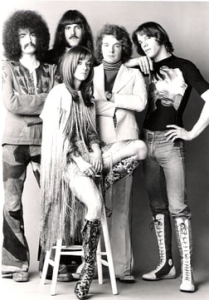
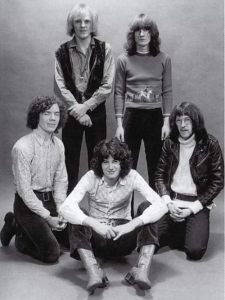
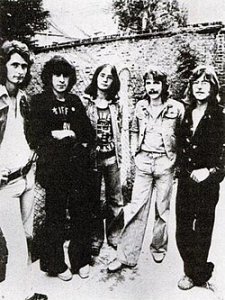
Pink Floyd played a pivotal role in shaping progressive rock by pushing the boundaries of what rock music could express both musically and conceptually. Known for their experimental soundscapes, they incorporated synthesizers, extended instrumental sections, and complex time signatures into their work—elements that became hallmarks of the progressive rock genre. Albums like The Dark Side of the Moon and Wish You Were Here offered thematic depth and sonic innovation, blending rock with psychedelia, jazz, and classical influences. Their use of concept albums and visual storytelling influenced countless bands to view albums as cohesive artistic statements rather than collections of singles. Pink Floyd’s atmospheric sound and philosophical lyrics helped elevate rock into a more intellectual, immersive experience, defining the essence of progressive rock.
Yes
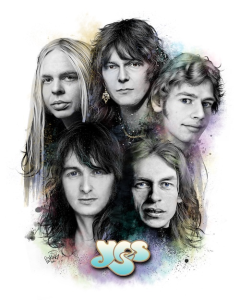
Yes was a cornerstone of progressive rock, influencing the genre with their virtuosic musicianship, ambitious compositions, and spiritual lyricism. They fused elements of classical music, jazz, and psychedelic rock, creating long, multi-movement songs with shifting tempos and intricate arrangements. Albums like Fragile and Close to the Edge showcased their signature blend of soaring vocals, complex guitar and keyboard work, and precise rhythm sections. Yes elevated rock with a symphonic scale, making use of Mellotrons, Moog synthesizers, and rich vocal harmonies. Their emphasis on musicianship and exploration inspired a generation of prog bands to push musical boundaries and treat the album as an art form. Yes helped define progressive rock’s blend of technical excellence, ambition, and fantasy-driven themes.
Genesis
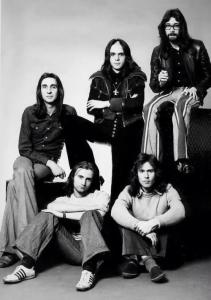
Genesis was instrumental in shaping progressive rock through their theatrical storytelling, complex compositions, and innovative use of technology. Early in their career, with Peter Gabriel as frontman, Genesis embraced elaborate stage shows and concept-driven albums like The Lamb Lies Down on Broadway, blending surreal narratives with shifting time signatures and rich instrumentation. Their music merged classical structures with rock energy, featuring extended instrumental passages and dynamic contrasts. Keyboardist Tony Banks’s symphonic approach and guitarist Steve Hackett’s pioneering techniques added depth to their sound. As the band evolved with Phil Collins as lead singer, they maintained musical sophistication while incorporating more accessible elements, helping bring progressive rock into the mainstream. Genesis expanded the genre’s emotional and artistic range, influencing countless prog and art-rock bands.
King Crimson
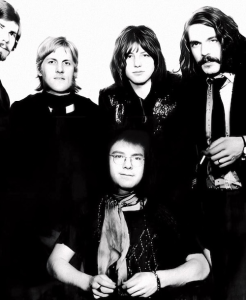
King Crimson was a foundational force in progressive rock, known for their groundbreaking fusion of rock, jazz, classical, and avant-garde music. Their 1969 debut album, In the Court of the Crimson King, is often cited as one of the first true progressive rock records, blending Mellotron-heavy symphonic passages with experimental improvisation and surreal lyrics. Led by guitarist Robert Fripp, the band constantly reinvented its sound, embracing complex time signatures, dissonance, and shifting lineups to avoid musical stagnation. King Crimson challenged traditional song structures and emphasized instrumental prowess, influencing prog bands to explore darker, more abstract themes. Their fearless innovation and commitment to musical evolution helped define the intellectual and boundary-pushing spirit that became central to progressive rock.
Emerson, Lake & Palmer (ELP)
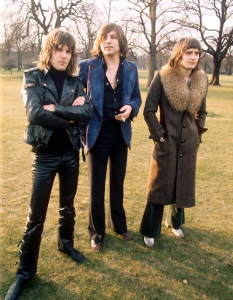
Emerson, Lake & Palmer (ELP) were key architects of progressive rock, known for blending classical music with rock in bold, theatrical ways. Keyboardist Keith Emerson brought virtuosic skill and classical compositions into rock settings, adapting works by composers like Mussorgsky and Copland. Greg Lake’s melodic bass and vocals, along with Carl Palmer’s dynamic drumming, completed a trio capable of powerful, intricate performances. Albums like Tarkus and Brain Salad Surgery showcased extended suites, synthesizer experimentation, and philosophical or fantastical lyrics. ELP elevated the role of musicianship in rock, popularizing the idea of rock as high art. Their fusion of genres, technical mastery, and large-scale live shows inspired future prog acts to explore similarly ambitious musical directions.
Jethro Tull
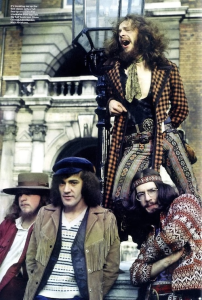
Jethro Tull brought a distinctive, eclectic influence to progressive rock by blending folk, classical, blues, and hard rock elements into a cohesive and innovative sound. Led by Ian Anderson, whose signature flute playing became a defining feature, the band introduced an earthy, medieval tone to prog rock that set them apart. Albums like Aqualung and Thick as a Brick featured complex song structures, literary lyrics, and conceptual ambition. Jethro Tull’s willingness to experiment with acoustic textures, odd time signatures, and narrative-driven albums helped expand the genre’s boundaries. Their theatrical performances and fusion of storytelling with musical sophistication influenced many progressive bands to explore folklore, satire, and social commentary, adding depth and diversity to the progressive rock movement.
Gentle Giant
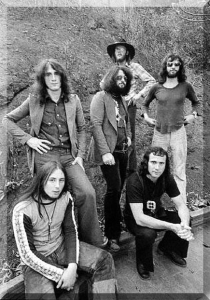
Gentle Giant was one of the most musically adventurous bands in progressive rock, known for their intricate compositions and genre-blending style. Drawing from medieval music, jazz, classical, and hard rock, they pushed the boundaries of what rock could be. Albums like Octopus and The Power and the Glory featured counterpoint, complex vocal harmonies, and frequent time signature changes. Each band member was a multi-instrumentalist, and their arrangements often included recorders, violins, and clavichords alongside electric guitars and drums. Gentle Giant emphasized musical discipline, complexity, and originality, challenging listeners with intellectually demanding yet rewarding material. Their influence encouraged other prog bands to take risks and experiment with structure, instrumentation, and harmony in pursuit of truly progressive rock music.
Camel
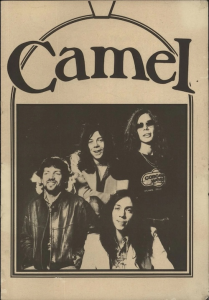
Camel made a significant contribution to progressive rock by blending melodic sensitivity with instrumental sophistication. Emerging in the early 1970s, the band became known for their lush, cinematic soundscapes, often favoring emotion and atmosphere over technical showmanship. Albums like The Snow Goose and Moonmadness showcased their use of extended instrumental passages, seamless song transitions, and jazz-influenced improvisation. Guitarist Andy Latimer’s expressive playing and the band’s tasteful use of keyboards created a dreamy, cohesive sound that resonated deeply with prog audiences. Camel’s lyrical storytelling, often inspired by literature and fantasy, helped define the genre’s more introspective and conceptual side. Their influence can be heard in the work of neo-prog bands, showing how subtlety and mood could coexist with progressive complexity.
Renaissance
Renaissance brought a unique, symphonic elegance to progressive rock by fusing classical, folk, and rock influences with a strong emphasis on melody and orchestration. Fronted by Annie Haslam’s soaring five-octave voice, the band stood out with their ethereal sound and poetic lyrics. Albums like Ashes Are Burning and Scheherazade and Other Stories featured lush arrangements, prominent piano and harpsichord lines, and orchestral backing, often incorporating elements of European classical music and Renaissance-era themes. Renaissance helped expand the emotional and cultural range of progressive rock, showing that the genre could be both graceful and grand. Their influence encouraged other bands to explore classical structures and vocal purity, helping shape the more romantic, artful side of prog rock.
Van der Graaf Generator
Van der Graaf Generator brought a darker, more intense edge to progressive rock, influencing the genre with their emotional depth, intellectual lyrics, and experimental sound. Led by Peter Hammill’s dramatic vocals and existential themes, the band explored complex psychological and philosophical territory rarely touched by their peers. They often avoided traditional guitar-driven rock, instead featuring Hugh Banton’s powerful organ work and David Jackson’s saxophone and flute, giving their music a jagged, avant-garde quality. Albums like Pawn Hearts and H to He Who Am the Only One blended chaos and control, pushing the boundaries of song structure and sonic texture. Their fearless experimentation and brooding atmosphere helped broaden progressive rock’s emotional and conceptual range, inspiring future art rock and post-prog acts.
Caravan
Caravan significantly influenced progressive rock by blending jazz, folk, and psychedelia into a uniquely melodic and whimsical style. As part of the Canterbury scene, they emphasized improvisation, complex time signatures, and rich keyboard and violin textures, setting them apart from other prog bands. Albums like In the Land of Grey and Pink featured playful lyrics, extended instrumental passages, and a warm, pastoral vibe that contrasted with the heavier, more dramatic prog acts. Caravan’s fluid song structures and blend of humor and sophistication helped define a lighter, jazz-inflected branch of progressive rock. Their influence encouraged bands to experiment with blending genres and moods, contributing to the genre’s diversity and musical adventurousness.