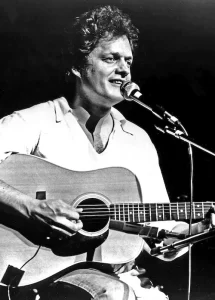
James Taylor’s influence on rock and roll is subtle but profound, rooted in his pioneering role in the singer-songwriter movement of the early 1970s. Unlike the harder, electrified rock of his time, Taylor brought a gentle, introspective style that blended folk, rock, and pop with deeply personal lyrics and soothing melodies. His success helped shift rock toward more emotional storytelling and acoustic sounds, inspiring countless artists to embrace vulnerability in their music. Songs like “Fire and Rain” and “Carolina in My Mind” showcased how rock could be tender and reflective, broadening the genre’s expressive range. Taylor’s smooth voice and guitar work contributed to soft rock’s rise, influencing the mellow side of rock and roll that remains popular today.
Carol King
Carole King’s impact on rock and roll is immense, primarily through her groundbreaking work as a songwriter and performer. Beginning as a prolific Brill Building songwriter in the 1960s, she crafted timeless hits for other artists, shaping the sound of early rock and pop. With her 1971 album Tapestry, King helped redefine rock by bringing a deeply personal, soulful voice to the forefront. Her piano-driven melodies and honest, relatable lyrics paved the way for singer-songwriters to express raw emotion in rock music. King’s blend of pop, rock, and soul influenced generations of musicians, expanding rock’s emotional depth and musical complexity. Her legacy is the proof that behind many classic rock hits, there’s a powerful storyteller shaping the genre’s evolution.
Joni Mitchell
Joni Mitchell transformed rock and roll by infusing it with poetic lyricism, innovative melodies, and complex harmonies that challenged traditional song structures. Emerging in the late 1960s folk scene, she blended folk, jazz, and rock in a way that expanded the genre’s artistic boundaries. Mitchell’s introspective and often confessional songwriting inspired rock artists to explore deeper emotional and social themes. Albums like Blue are considered masterpieces for their raw honesty and musical sophistication, influencing not just folk-rock but the wider rock genre. Her distinctive open guitar tunings and unconventional rhythms encouraged musicians to experiment, making rock more adventurous and expressive. Mitchell’s pioneering spirit helped elevate rock from simple entertainment to a serious, artful form of musical storytelling.
Jackson Browne
Jackson Browne played a key role in shaping rock and roll by merging heartfelt, introspective songwriting with the energy of the Southern California rock scene in the 1970s. Known for his poetic lyrics and melodic craftsmanship, Browne brought a thoughtful, reflective quality to rock music, addressing personal struggles and social issues with sincerity. His smooth vocals and blend of folk-rock and soft rock influenced many singer-songwriters who followed. Hits like “Doctor My Eyes” and “Running on Empty” showcased his ability to combine catchy melodies with meaningful storytelling. Browne helped push rock toward a more mature, contemplative direction, proving that rock could be both commercially successful and deeply reflective. His influence remains significant in shaping the emotional depth of modern rock.
Elton John (with Bernie Taupin)
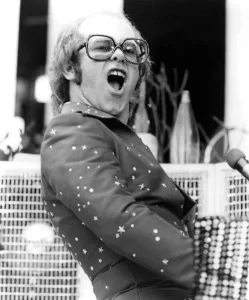
Elton John and Bernie Taupin revolutionized rock and roll by blending theatricality with heartfelt storytelling. Taupin’s evocative, often poetic lyrics paired perfectly with Elton John’s dynamic, piano-driven compositions, creating a unique fusion of rock, pop, and glam. Their partnership brought sophistication and emotional depth to rock music, producing timeless hits like “Your Song” and “Rocket Man.” Elton’s flamboyant stage presence and virtuosic piano playing expanded rock’s performance boundaries, making concerts more theatrical experiences. Together, they helped popularize the singer-songwriter tradition while embracing rock’s showmanship. Their work influenced countless artists by proving that rock could be both artistically complex and commercially successful, bridging the gap between intimate ballads and arena-ready anthems.
Paul Simon
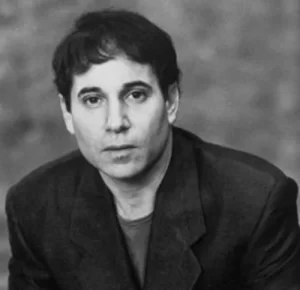
Paul Simon significantly influenced rock and roll by blending folk, rock, and world music with insightful, poetic lyrics. As part of Simon & Garfunkel and in his solo career, Simon pushed rock beyond its traditional boundaries, introducing sophisticated storytelling and intricate melodies. His knack for crafting timeless songs like “The Sound of Silence” and “Graceland” showcased how rock could incorporate diverse cultural sounds—from South African rhythms to Latin beats—broadening its global appeal. Simon’s lyrical depth and melodic inventiveness inspired artists to explore personal and social themes with greater nuance. By integrating world music elements and emphasizing lyrical craftsmanship, Paul Simon helped rock evolve into a more thoughtful, eclectic, and musically adventurous genre.
Neil Young
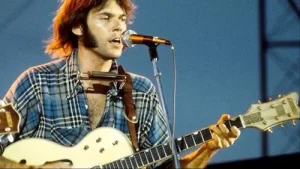
Neil Young profoundly influenced rock and roll with his distinctive blend of raw emotion, powerful guitar work, and genre-crossing versatility. Known as the “Godfather of Grunge,” Young’s gritty, sometimes distorted guitar sound paved the way for heavier rock styles while his introspective songwriting added depth to the genre. From folk-rock ballads like “Heart of Gold” to electrifying anthems like “Cinnamon Girl,” he balanced softness with intensity, inspiring countless musicians across rock, punk, and alternative scenes. His fearless experimentation—shifting between acoustic folk and loud, feedback-heavy rock—expanded rock’s expressive possibilities. Young’s commitment to authenticity and social commentary helped shape rock as a platform for both personal reflection and cultural critique, leaving an enduring legacy.
Cat Stevens
Cat Stevens influenced rock and roll by bringing a deeply introspective and spiritual dimension to the singer-songwriter tradition of the late 1960s and early 1970s. His gentle voice, acoustic guitar work, and heartfelt lyrics in songs like “Father and Son” and “Wild World” helped popularize folk-rock, blending catchy melodies with themes of personal growth, peace, and emotional struggle. Stevens’ music encouraged rock artists to explore vulnerability and sincerity, shifting the genre toward more thoughtful, meaningful storytelling. His ability to combine simplicity with profound messages broadened rock’s emotional range and inspired a generation of musicians to prioritize lyrical depth alongside musicality, helping shape the softer, reflective side of rock and roll.
Jim Croce
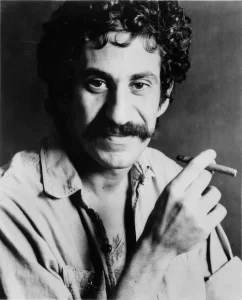
Jim Croce influenced rock and roll by bringing storytelling back to the forefront of songwriting with his clear, relatable narratives and warm, folk-infused sound. Emerging in the early 1970s, Croce’s songs like “Bad, Bad Leroy Brown” and “Time in a Bottle” combined catchy melodies with vivid characters and heartfelt emotions, making complex life experiences accessible and engaging. His blend of folk, rock, and pop helped shape the singer-songwriter movement by emphasizing simplicity, honesty, and narrative depth. Croce’s ability to convey universal themes—love, loss, and everyday struggles—with a conversational style inspired many rock artists to focus on authenticity and storytelling, enriching rock’s lyrical tradition and emotional impact.
Harry Chapin
Harry Chapin influenced rock and roll by elevating storytelling through his richly detailed, narrative-driven songs. Known for hits like “Cat’s in the Cradle” and “Taxi,” Chapin blended folk and rock to create emotionally compelling tales that connected deeply with listeners. His emphasis on character-driven stories and social themes encouraged rock artists to embrace more thoughtful, meaningful lyrics beyond typical love songs or party anthems. Chapin’s acoustic style and heartfelt delivery helped popularize the folk-rock genre and demonstrated how rock could be a powerful vehicle for storytelling and social commentary. His legacy lies in inspiring musicians to combine musicality with vivid, relatable narratives, enriching rock’s emotional and lyrical depth.