Soft Rock

Melodic, emotional, and endlessly listenable.

The Carpenters

Soft rock was deeply influenced by The Carpenters, who helped define the genre’s smooth, melodic sound in the early 1970s. Their polished production, lush arrangements, and emotionally resonant lyrics set a new standard for pop-infused soft rock. Karen Carpenter’s warm, velvety voice brought a gentle vulnerability that connected with listeners, influencing countless artists who followed. The Carpenters incorporated orchestral elements and layered harmonies that softened the edges of rock, appealing to adult contemporary audiences and radio stations. Songs like “Close to You” and “Superstar” showed that rock could be introspective and tender without losing musical sophistication. Their success proved that subtlety and sensitivity could be just as powerful as the harder edges of rock music.

Fleetwood Mac

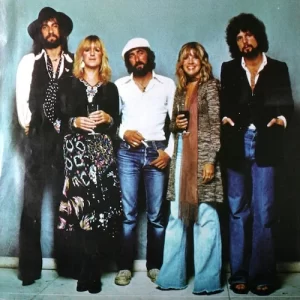
Fleetwood Mac played a pivotal role in shaping soft rock, especially with their 1975 self-titled album and the blockbuster Rumours in 1977. Their music blended rock instrumentation with polished production, catchy melodies, and emotionally rich lyrics—key elements of the soft rock sound. The band’s use of layered harmonies, acoustic textures, and introspective songwriting brought a level of intimacy and accessibility to rock music. Christine McVie and Stevie Nicks added melodic warmth and lyrical depth, while Lindsey Buckingham’s production gave their songs a refined, radio-friendly edge. Fleetwood Mac showed that soft rock could be both commercially successful and artistically respected, influencing countless artists and helping to bring the genre into the mainstream during the late 1970s.

Bread

ChatGPT said:

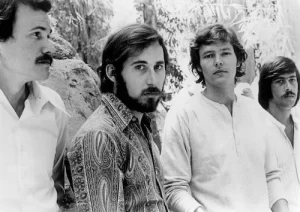
The band Bread was a foundational influence on the soft rock genre, helping to define its mellow, melodic identity in the early 1970s. Led by David Gates, Bread combined gentle acoustic guitar work, smooth harmonies, and heartfelt lyrics that emphasized emotion over intensity. Their songs like “Make It with You” and “If” showcased a tender, romantic sound that contrasted sharply with the heavier rock styles of the era. Bread’s success on both pop and adult contemporary charts demonstrated the commercial viability of softer, more introspective rock. Their polished studio production and emphasis on craftsmanship set a precedent for soft rock acts to follow, helping the genre appeal to listeners seeking a more relaxed and emotionally resonant musical experience.

Chicago (especially early-to-mid '70s)

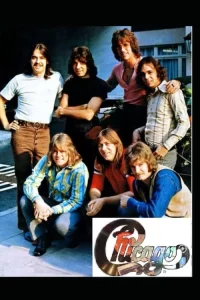
Chicago brought a distinctive flair to soft rock by blending rock with sophisticated jazz-inspired horn arrangements and smooth vocal harmonies. While the band started with a harder, more experimental sound, their 1970s ballads like “If You Leave Me Now” and “Hard to Say I’m Sorry” helped define the softer side of rock. Their music fused emotional lyrics, polished production, and orchestral instrumentation, influencing soft rock artists to explore richer, more dynamic arrangements. Peter Cetera’s tender vocals became a hallmark of their softer hits, setting a standard for romantic, radio-friendly ballads. Chicago’s ability to balance pop sensibility with musical complexity showed that soft rock could be both accessible and artistically ambitious, expanding the genre’s stylistic boundaries and mainstream appeal.

America

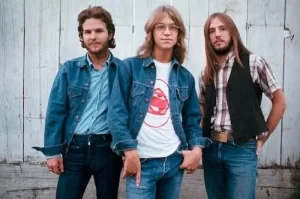
America significantly influenced soft rock with their blend of acoustic-driven melodies, tight harmonies, and introspective lyrics. Emerging in the early 1970s, the band brought a warm, pastoral feel to the genre with songs like “A Horse with No Name” and “Sister Golden Hair.” Their sound combined folk-rock roots with a polished, radio-friendly production that softened rock’s rougher edges. Influenced by Crosby, Stills & Nash and The Beatles, America emphasized melody and storytelling, helping shape the laid-back, reflective character of soft rock. Their success on both pop and adult contemporary charts proved that gentle, acoustic-based music could connect with a wide audience. America’s style encouraged a wave of soft rock artists to embrace simplicity, subtlety, and emotional resonance in their songwriting.

Seals and Crofts

Seals and Crofts played a key role in shaping the soft rock genre with their smooth harmonies, acoustic instrumentation, and spiritually infused lyrics. Rising to fame in the early 1970s, the duo brought a calm, reflective quality to soft rock through hits like “Summer Breeze” and “Diamond Girl.” Their music blended folk, pop, and light jazz elements, creating a sound that was both soothing and sophisticated. Seals and Crofts often explored deeper themes of love, peace, and faith, offering emotional depth without the intensity of harder rock. Their success helped define soft rock’s appeal as music that was melodic, introspective, and easy on the ears. Their influence encouraged other artists to explore gentler, more poetic approaches to songwriting.

Billy Joel

Billy Joel had a major influence on soft rock by blending classical piano techniques with pop melodies, heartfelt lyrics, and polished production. His ballads, like “Just the Way You Are” and “She’s Always a Woman,” showcased the emotional depth and smooth, melodic sensibility that came to define the genre. Joel’s storytelling style and ability to shift between tenderness and sophistication set a standard for soft rock songwriters. While he explored various genres, his softer hits struck a chord with adult contemporary audiences, helping bring piano-based rock into the mainstream. Billy Joel’s success proved that thoughtful, well-crafted songs with emotional honesty could thrive alongside more energetic rock styles, influencing a generation of artists to embrace vulnerability and musical elegance.

Eagles

The Eagles were instrumental in shaping soft rock by merging country-influenced melodies with polished rock production and rich vocal harmonies. Emerging in the early 1970s, they crafted a sound that was both laid-back and emotionally resonant, as heard in classics like “Desperado” and “Best of My Love.” Their songwriting often focused on themes of love, loss, and longing, delivered with smooth instrumentation and radio-friendly appeal. While the band also explored harder rock styles, their softer ballads helped define the mellow, introspective core of soft rock. The Eagles’ success demonstrated that a blend of acoustic guitars, tight harmonies, and thoughtful lyrics could captivate a wide audience, influencing countless soft rock and adult contemporary artists in the decades that followed.

England Dan & John Ford Coley

England Dan and John Ford Coley were key contributors to the soft rock sound of the 1970s, known for their smooth harmonies, melodic songwriting, and gentle instrumentation. With hits like “I’d Really Love to See You Tonight” and “Nights Are Forever Without You,” they captured the easygoing, emotionally accessible style that defined the genre. Their music blended elements of pop, rock, and light country with lyrics centered on love, longing, and connection. The duo’s laid-back sound and clean production appealed to both pop and adult contemporary audiences, reinforcing soft rock’s reputation as heartfelt and radio-friendly. Their success helped solidify the popularity of duo harmonies and acoustic arrangements in soft rock, influencing future artists to explore a softer, more melodic approach.

Christopher Cross (late '70s into early '80s)

Christopher Cross had a major impact on soft rock by bringing a refined, almost luxurious quality to the genre in the late 1970s and early 1980s. His breakout hit “Sailing” became a defining song of soft rock, combining smooth vocals, lush orchestration, and a dreamy, escapist mood. Cross’s use of high-quality studio production, gentle melodies, and emotionally tender lyrics elevated the soft rock sound to new levels of sophistication. His music bridged the gap between pop, rock, and adult contemporary, appealing to a wide range of listeners. Winning five Grammy Awards for his debut album, Cross proved that soft rock could be both critically acclaimed and commercially successful, inspiring other artists to embrace a polished, emotionally resonant style.