These teens created romantic, catchy, smooth music
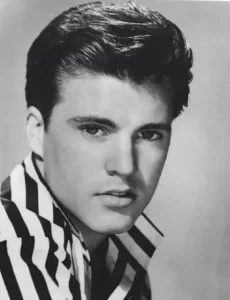
Ricky Nelson
Ricky Nelson was one of the first rock and roll stars to successfully blend pop melodies with a rock edge, helping to shape the genre’s mainstream appeal. His smooth voice and clean-cut image made him a teen idol, but his early hits like “Be-Bop Baby” and “Hello Mary Lou” showcased his ability to merge rock with a more polished, pop sensibility. Nelson’s blend of rockabilly, country, and pop helped bridge the gap between the wild energy of early rock and roll and the more polished pop sounds of the 1960s. His successful transition from a TV star to a rock musician also influenced other entertainers to pursue both acting and music careers. Nelson’s influence can be seen in how rock and roll expanded beyond the rebellious image, appealing to a broader audience without sacrificing its energetic spirit. He remains a key figure in the evolution of rock music during its early years.
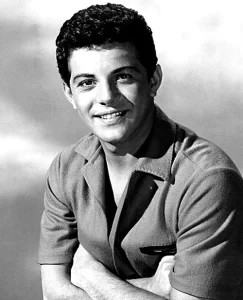
Frankie Avalon
Frankie Avalon influenced rock and roll by helping popularize the teen idol phenomenon in the late 1950s and early 1960s. With his clean-cut image, smooth vocals, and catchy pop-rock tunes like “Venus” and “Why,” Avalon brought rock and roll into mainstream American youth culture. His appeal bridged the gap between the rebellious roots of rock and the commercial pop market, making the genre more accessible to a wider audience. Avalon’s success paved the way for other teen idols and polished pop-rock acts, influencing the development of early 1960s rock’s melodic, radio-friendly style. By combining charm, vocal talent, and upbeat songs, Frankie Avalon helped shape rock and roll’s transition into a dominant force in popular music.
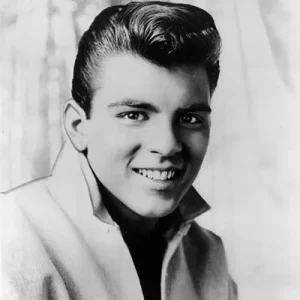
Fabian
Fabian influenced rock and roll by embodying the rise of the teen idol phenomenon in the late 1950s and early 1960s, helping shape rock’s commercial and cultural appeal. With his clean-cut image, catchy pop-rock songs, and charismatic stage presence, Fabian made rock music more accessible to mainstream youth, especially teenage girls. His success demonstrated the growing importance of marketing and image in rock and roll, influencing how record labels packaged and promoted artists. Though not known for songwriting, Fabian’s smooth vocal style and polished performances contributed to the development of early pop-rock and the crossover between rock and teen pop. By popularizing the idea of the heartthrob rocker, Fabian played a role in rock’s evolution into a mass-market phenomenon.
Paul Anka
Paul Anka influenced rock and roll by bridging teen pop with rock’s evolving sound in the late 1950s and early 1960s. As a talented singer and songwriter, Anka crafted catchy, relatable songs like “Diana” and “Put Your Head on My Shoulder” that resonated deeply with young audiences. His polished vocals and heartfelt lyrics helped shape the softer, more melodic side of early rock, influencing the development of pop-rock and the teen idol era. Anka’s success as a songwriter—penning hits for other artists—demonstrated the power of well-crafted melodies and emotional storytelling in rock music. By blending charm, vocal skill, and strong songwriting, Paul Anka helped make rock and roll more accessible and commercially viable to a broad audience.
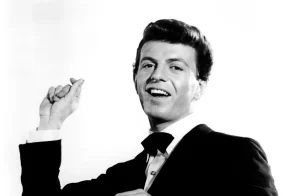
Dion
Dion DiMucci, known simply as Dion, influenced rock and roll by blending doo-wop, R&B, and early rock into a soulful, street-smart sound that resonated with youth culture in the late 1950s and early 1960s. His hits like “Runaround Sue” and “The Wanderer” showcased catchy melodies paired with gritty, relatable lyrics about teenage life and rebellion. Dion’s raw vocal style and storytelling helped bridge the gap between polished pop and the more authentic, urban roots of rock. He also incorporated blues and folk influences, broadening rock’s musical palette. Dion’s ability to combine heartfelt emotion with energetic rhythms inspired many rock artists and helped shape rock and roll’s transition from simple dance music to a more expressive, diverse genre.
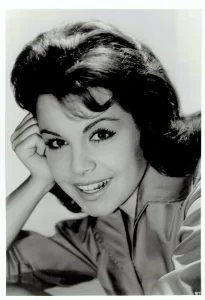
Annette Funicello
Annette Funicello influenced rock and roll by popularizing the wholesome, teen idol image that helped make the genre more family-friendly and widely accepted in the early 1960s. As a beloved “Mouseketeer” and pop singer, her sweet vocals and innocent charm bridged the gap between rock’s rebellious roots and mainstream America’s desire for clean entertainment. Funicello’s hits like “Tall Paul” and “Beach Party” songs helped popularize surf rock and youth culture, contributing to rock’s evolving sound and style. Her success demonstrated how female performers could shape rock’s image and appeal to a broader audience. Annette’s role in television and film also helped rock and roll reach new platforms, expanding its cultural influence beyond just music.
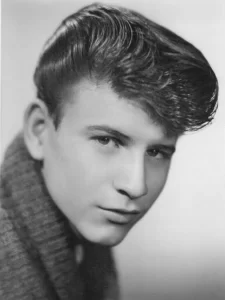
Bobby Rydell
Bobby Rydell influenced rock and roll by embodying the teen idol phenomenon of the early 1960s, blending rock’s youthful energy with polished pop appeal. Known for hits like “Wild One” and “Volare,” Rydell’s smooth vocals and charismatic stage presence helped make rock more accessible to mainstream audiences, especially teenagers. His music combined catchy melodies with danceable rhythms, contributing to the development of the dance-oriented side of rock and roll. Rydell’s success demonstrated the growing importance of image and marketing in the rock industry, influencing how artists were promoted to capture the teen market. By balancing rock’s rebellious spirit with a clean-cut persona, Bobby Rydell helped shape the transition of rock into a mass-market, radio-friendly genre.
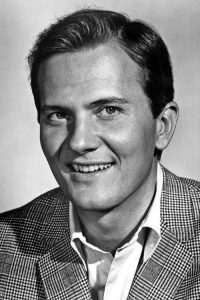
Pat Boone
Pat Boone influenced rock and roll by serving as one of the first artists to bring the genre into mainstream American homes with a polished, family-friendly image. Emerging in the 1950s, Boone often covered songs by African American artists, making rock and roll more accessible to white audiences during a time of racial segregation. His smooth, clean vocal style softened the raw edges of early rock, helping to popularize it among more conservative listeners. While sometimes criticized for sanitizing rock’s rebellious spirit, Boone’s commercial success proved rock and roll’s mass appeal. He paved the way for other crossover artists and played a significant role in expanding rock’s audience, demonstrating the genre’s versatility and broad cultural impact.
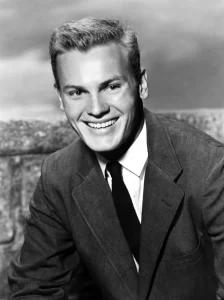
Tab Hunter
Tab Hunter influenced rock and roll by exemplifying the 1950s teen idol phenomenon, helping shape the genre’s commercial and cultural appeal. As a Hollywood actor turned pop singer, Hunter brought a polished, clean-cut image that made rock and roll more accessible to mainstream audiences, especially teenagers. His hit “Young Love” showcased a smooth vocal style and catchy melody, blending pop sensibilities with rock’s youthful energy. Hunter’s crossover success highlighted the growing importance of image and personality in rock music, influencing how record labels marketed artists to capitalize on the booming youth market. By embodying the charming, wholesome side of rock, Tab Hunter helped broaden rock and roll’s audience and paved the way for future teen idols in the genre.
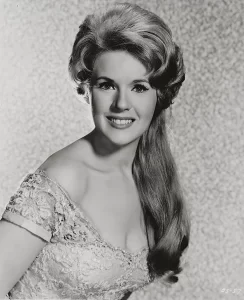
Connie Stevens
Connie Stevens influenced rock and roll by blending her talents as an actress and singer to popularize the teen idol image in the early 1960s. With hits like “Sixteen Reasons,” Stevens combined catchy pop-rock melodies with a wholesome, girl-next-door appeal that resonated with young audiences. Her clean, sweet vocal style contributed to the softer, more melodic side of rock and roll, helping to make the genre more accessible and appealing to mainstream America, especially teenage girls. Stevens’ crossover success in television and music showcased how multimedia exposure could boost a rock artist’s popularity. By embodying the charm and innocence of early rock, Connie Stevens helped shape the marketing and cultural appeal of rock and roll’s youth-driven era.