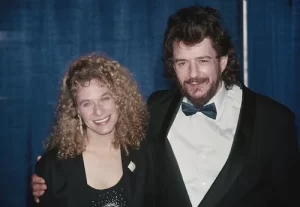
Carole King and Gerry Goffin were one of the most influential songwriting duos in rock and roll history, especially during the early 1960s. Working out of the legendary Brill Building in New York, they penned numerous hits that blended pop, R&B, and early rock sounds. Their songs, such as “Will You Love Me Tomorrow” (The Shirelles), “The Loco-Motion” (Little Eva), and “Up on the Roof” (The Drifters), showcased relatable lyrics and strong melodies that helped shape the emotional depth and accessibility of pop and rock music. Goffin’s heartfelt lyrics and King’s musical genius set a new standard for songwriting partnerships. Their success opened doors for future artists to write and perform their own material, helping pave the way for the singer-songwriter movement of the 1970s. Carole King would later become a rock icon herself with her landmark album Tapestry, but her legacy with Goffin helped define an era.
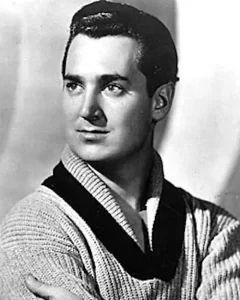
Neil Sedaka
Neil Sedaka played a key role in shaping early rock and roll with his catchy melodies, smooth vocals, and songwriting talent. Emerging from the Brill Building scene in the late 1950s, Sedaka wrote and recorded upbeat, teen-focused hits like “Calendar Girl,” “Breaking Up Is Hard to Do,” and “Happy Birthday Sweet Sixteen.” His music blended pop, doo-wop, and rock rhythms, helping to define the sound of the pre-British Invasion era. As both a performer and songwriter, Sedaka influenced a generation of artists by proving that pop could be both commercially successful and musically sophisticated. His classical piano training gave his compositions a polished, tuneful quality that stood out. In the 1970s, Sedaka experienced a major comeback, adapting his sound for adult contemporary audiences, which showcased his lasting impact on pop and rock music across decades. His longevity and versatility cemented his place as a pioneer in the genre.
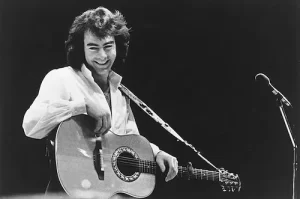
Neil Diamond
Neil Diamond brought a unique blend of rock, pop, and folk to the music scene, becoming one of the most successful singer-songwriters in rock and roll history. Beginning as a Brill Building songwriter, he penned hits like “I’m a Believer” for The Monkees before launching a solo career marked by emotionally charged songs and powerful live performances. Diamond’s distinctive voice and heartfelt lyrics made songs like “Sweet Caroline,” “Cracklin’ Rosie,” and “America” enduring anthems that resonated across generations. His music often bridged genres—incorporating gospel, country, and orchestral elements—broadening rock’s emotional and musical range. Known for his charismatic stage presence, Diamond helped elevate the singer-songwriter into a rock star role during the 1970s. His ability to connect deeply with audiences and craft universally relatable songs cemented his influence on rock and roll, leaving a legacy that blends commercial success with artistic sincerity.
Barry Mann & Cynthia Weil
Barry Mann and Cynthia Weil were one of the most influential songwriting teams of the 1960s, helping to shape the sound of early rock and roll through their work at the Brill Building. Known for combining sophisticated lyrics with catchy, emotionally resonant melodies, they wrote enduring hits such as “You’ve Lost That Lovin’ Feelin’” (The Righteous Brothers), “On Broadway” (The Drifters), and “We Gotta Get Out of This Place” (The Animals). Their songs often tackled deeper themes—love, aspiration, social pressure—giving early rock music greater emotional and lyrical depth. Weil’s poignant lyrics paired with Mann’s strong melodies made their work both artistically respected and commercially successful. They influenced not just rock and pop, but also R&B and soul, helping to bridge genre divides. Their ability to write for diverse voices and audiences left a lasting mark on rock and roll’s development, setting a high standard for songwriting teams that followed.
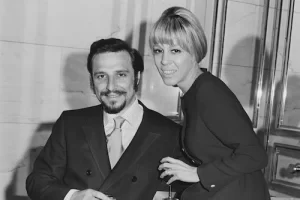
Doc Pomus & Mort Shuman
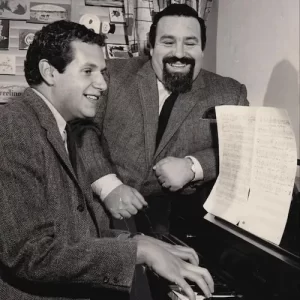
Doc Pomus and Mort Shuman were a powerhouse songwriting duo who played a vital role in shaping the sound of early rock and roll. Working out of New York’s Brill Building in the late 1950s and early 1960s, they wrote timeless hits like “Save the Last Dance for Me” (The Drifters), “This Magic Moment,” “Teenager in Love,” and “Little Sister” (Elvis Presley). Pomus, a blues-influenced lyricist, brought heartfelt emotion and streetwise insight, while Shuman contributed catchy melodies that resonated with teenage audiences. Their songs often blended rhythm and blues with pop, helping to bridge cultural and musical gaps during a transformative era in American music. Many of their tracks became standards, recorded by both black and white artists, helping to integrate the rock and roll scene. Their ability to craft sincere, story-driven songs gave early rock music lasting emotional power and helped define the Brill Building’s legacy.
Ellie Greenwich & Jeff Barry
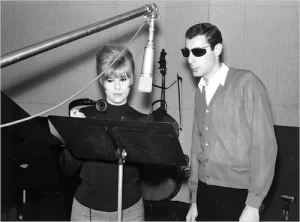
Ellie Greenwich and Jeff Barry were a dynamic songwriting duo who helped define the sound of 1960s rock and roll, especially the “girl group” era. Writing for producers like Phil Spector, they crafted enduring hits such as “Be My Baby” and “Baby, I Love You” (The Ronettes), “Da Doo Ron Ron” and “Then He Kissed Me” (The Crystals), and “Chapel of Love” (The Dixie Cups). Their songs combined infectious melodies, youthful themes, and emotional sincerity, capturing the spirit of teenage life with a pop-rock sensibility. Greenwich and Barry’s collaboration brought a sense of fun, drama, and heart to rock and roll, influencing both vocal harmony groups and later pop acts. They also contributed backing vocals and arrangements, helping to shape the overall sound of their recordings. Their work helped elevate the role of the songwriter in rock music and laid the groundwork for future pop and rock production.
The Shirelles
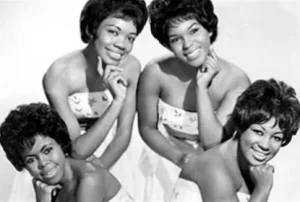
The Shirelles were one of the first and most influential girl groups in rock and roll history, helping to pave the way for future female acts. With their 1960 hit “Will You Love Me Tomorrow,” written by Carole King and Gerry Goffin, they became the first Black girl group to reach number one on the Billboard Hot 100. Their blend of doo-wop harmonies, pop melodies, and emotionally honest lyrics connected deeply with teenage audiences, particularly young women. The Shirelles brought a softer, more introspective side to rock and roll, singing about love, heartbreak, and growing up. Their success opened doors for future girl groups like The Supremes and The Ronettes and helped diversify the sound of early rock. By blending R&B roots with pop production, the Shirelles helped bridge racial and genre divides, solidifying their role as pioneers in shaping the modern pop-rock sound.
The Drifters
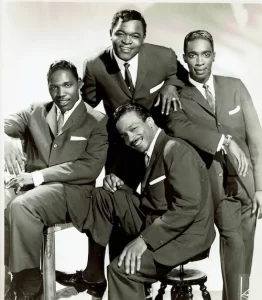
The Drifters were a groundbreaking vocal group whose blend of R&B, gospel, and pop helped shape the early sound of rock and roll. With a rotating lineup that included legendary voices like Clyde McPhatter and Ben E. King, they delivered timeless hits such as “There Goes My Baby,” “Save the Last Dance for Me,” “Under the Boardwalk,” and “Up on the Roof.” Their music introduced lush string arrangements and Latin rhythms to R&B, creating a smoother, more sophisticated sound that influenced future soul and pop artists. The Drifters’ songs often focused on everyday life and romance, resonating with a wide audience. Their success helped bridge racial gaps in music during the 1950s and ’60s and demonstrated the commercial potential of African American vocal groups. By blending emotional depth with innovative production, The Drifters played a crucial role in shaping the evolution of rock and roll and modern pop music.
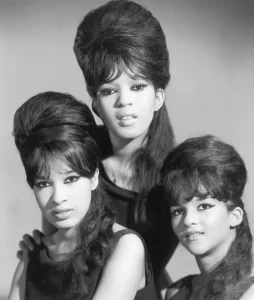
The Ronettes
The Ronettes were a defining force in 1960s rock and roll, known for their bold style, powerful vocals, and dramatic production. Led by Ronnie Spector’s distinctive voice, the group became icons with hits like “Be My Baby,” “Baby, I Love You,” and “Walking in the Rain.” Collaborating with producer Phil Spector, they helped popularize the “Wall of Sound” technique—a lush, layered production style that became a hallmark of the era. The Ronettes combined streetwise attitude with emotional vulnerability, setting a new standard for girl groups and influencing artists from The Beach Boys to Amy Winehouse. Their glamorous image and strong presence challenged traditional female roles in music, paving the way for future generations of women in rock and pop. The Ronettes not only captured the teenage spirit of the 1960s but also left a lasting legacy on the sound and style of rock and roll.
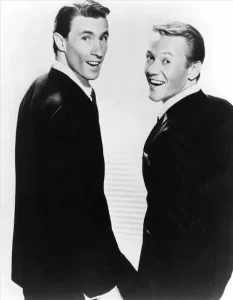
The Righteous Brothers
The Righteous Brothers brought a deep, emotional intensity to rock and roll through their distinctive blend of blue-eyed soul and pop. Comprised of Bill Medley and Bobby Hatfield, the duo gained fame with hits like “You’ve Lost That Lovin’ Feelin’,” “Unchained Melody,” and “(You’re My) Soul and Inspiration.” Their collaboration with producer Phil Spector helped showcase the “Wall of Sound” at its most powerful, especially on “Lovin’ Feelin’,” which became one of the most played songs in radio history. The Righteous Brothers’ rich vocal harmonies and gospel-influenced delivery introduced a level of emotional drama and vocal sophistication rarely seen in mainstream pop at the time. They helped bridge the gap between R&B and rock, making soul-infused ballads a staple of the rock genre. Their influence can be heard in later artists who sought to blend vocal passion with pop accessibility, leaving a lasting mark on rock and soul music.