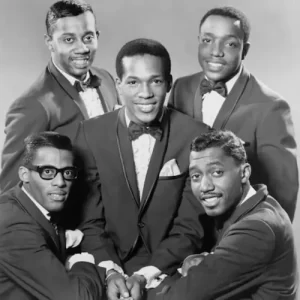
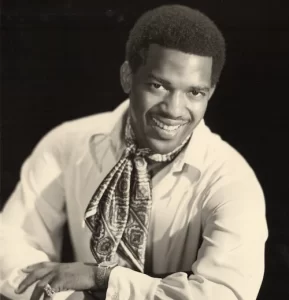
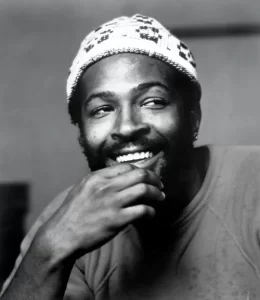
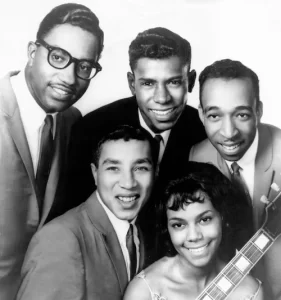
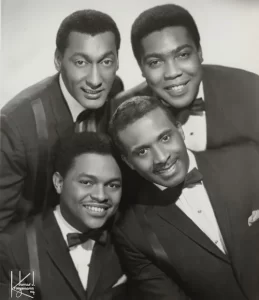
The Temptations, though rooted in Motown soul, had a major influence on rock and roll by bringing powerful vocal harmonies, polished stage presence, and emotional depth to popular music. Their ability to blend gospel-inspired vocals with funk, psychedelic soul, and pop reshaped the boundaries of rock. Hits like “Papa Was a Rollin’ Stone” and “Ball of Confusion” brought gritty, socially aware lyrics and layered instrumentation that inspired artists in rock, funk, and beyond. Rock bands like The Rolling Stones and Led Zeppelin admired their rhythm and vocal finesse. The Temptations proved that strong vocals and innovative arrangements could be just as impactful as electric guitars, helping bridge the gap between soul and rock during a pivotal era in music.
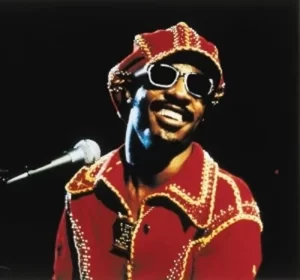
Stevie Wonder
Stevie Wonder played a key role in shaping rock and roll’s Motown sound by blending soul, funk, pop, and jazz with socially conscious lyrics and groundbreaking production. As a multi-instrumentalist and songwriter, Wonder pushed creative boundaries, especially in the 1970s with albums like Innervisions and Songs in the Key of Life. His use of synthesizers, layered rhythms, and personal storytelling inspired rock musicians to experiment beyond guitar-driven soundscapes. Artists like Paul McCartney, Elton John, and Prince openly praised his innovation. Stevie’s Motown hits, such as “Superstition” and “Living for the City,” helped redefine what popular music could sound like—fusing groove, melody, and message—and opened the door for Motown to influence rock with deeper, more expressive artistry.
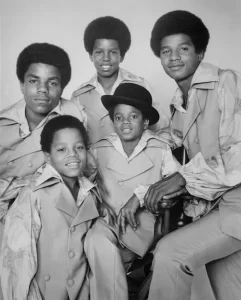
The Jackson 5
The Jackson Five brought youthful energy, catchy melodies, and polished showmanship to Motown, which helped shape the poppier side of rock and roll’s sound. With Michael Jackson’s standout vocals and the group’s tight harmonies, they blended soul, funk, and bubblegum pop into infectious hits like “I Want You Back” and “ABC.” Their success helped Motown cross over to mainstream rock audiences, proving that soul-based music could dominate pop and rock charts. Their choreography and visual style also influenced how rock bands approached stage performance. By reaching younger listeners and expanding Motown’s reach, the Jackson Five helped lay the groundwork for future genre-blending artists, showing that pop, soul, and rock could exist in a unified, chart-topping sound.
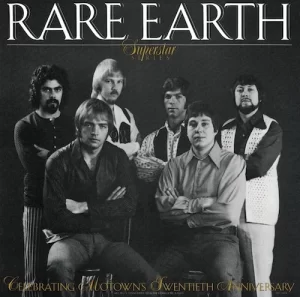
Rare Earth
Rare Earth was one of the first successful white bands signed to Motown, and they brought a gritty, rock-driven edge to the label’s traditionally soul-focused sound. With hits like “Get Ready” and “I Just Want to Celebrate,” they fused Motown’s tight grooves and rhythmic precision with distorted guitars, extended jams, and raw vocals. Their success proved that the Motown formula could translate into rock and roll without losing its soulful core. Rare Earth helped bridge racial and genre divides, showing that rock could thrive within the Motown system. Their music influenced both rock and funk bands by proving that Motown’s polished production could coexist with the rebellious energy of rock, creating a fresh, crossover sound that reached wider audiences.
Edwin Starr
Edwin Starr brought a fiery intensity and political edge to the Motown sound, helping rock and roll embrace more socially conscious themes. His breakout hit “War” was a bold, anti-Vietnam anthem that used a gritty, powerful vocal style and a driving rhythm—elements that echoed the urgency of rock music. Starr’s fusion of soul and protest helped shift Motown’s focus from romance to real-world issues, influencing rock artists to do the same. His explosive delivery and energetic stage presence also paralleled the raw emotion often found in rock performances. By blending passionate vocals, funk-infused arrangements, and fearless messaging, Edwin Starr expanded Motown’s impact and inspired a generation of rock musicians to engage with the world through music.
Marvin Gaye
Marvin Gaye profoundly influenced rock and roll’s Motown sound by elevating soul music with deeper emotional and political complexity. His groundbreaking 1971 album What’s Going On broke from Motown’s formula of love songs and introduced themes of war, poverty, and environmental concern—subjects that rock musicians were also exploring. Gaye’s smooth vocals, layered production, and jazz-influenced arrangements pushed Motown into more experimental, album-oriented territory, aligning it with the evolving rock scene. Songs like “Inner City Blues” and “Mercy Mercy Me” showcased a fusion of soul and message-driven music that resonated with both soul and rock audiences. Marvin Gaye showed that Motown artists could be both musically sophisticated and socially relevant, inspiring rock musicians to follow suit.
Smokey Robinson & The Miracles
Smokey Robinson and the Miracles played a key role in shaping the Motown sound that would influence rock and roll. As a gifted songwriter, Smokey penned smooth, melodic hits like “The Tracks of My Tears” and “You’ve Really Got a Hold on Me,” blending heartfelt lyrics with catchy hooks and soulful harmonies. His songwriting influenced major rock acts—The Beatles famously covered “You’ve Really Got a Hold on Me”—and helped establish the emotional depth and storytelling that became essential in rock music. Smokey’s elegant phrasing and poetic style brought sophistication to pop and soul, showing that music could be both commercially appealing and artistically rich. His work laid the groundwork for Motown’s crossover appeal and its lasting influence on rock and roll.
The Four Tops
The Four Tops brought a bold, gospel-influenced vocal style and dramatic intensity to the Motown sound, helping to shape the emotional core that rock and roll would later adopt. With Levi Stubbs’ powerful lead vocals, songs like “Reach Out I’ll Be There” and “Bernadette” blended orchestral arrangements with urgent, soulful delivery—elements that resonated with rock audiences. Their music added depth and raw feeling to Motown’s polished pop formula, influencing rock bands to embrace more expressive and dynamic vocal performances. The Four Tops’ tight harmonies and passionate storytelling helped bridge the gap between soul and rock, inspiring artists like The Who and Bruce Springsteen. Their success showed how emotionally charged soul music could elevate and energize the evolving rock and roll landscape.
Martha and the Vandellas
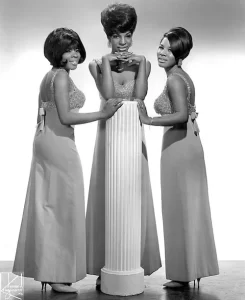
Martha and the Vandellas brought fiery energy and dance-floor intensity to the Motown sound, helping pave the way for rock and roll’s embrace of rhythm-driven, high-energy music. With hits like “Dancing in the Street” and “Nowhere to Run,” the group combined soulful vocals with driving beats, bold brass, and socially charged undertones. Their music captured the spirit of youthful rebellion and urban urgency that rock would later amplify. “Dancing in the Street” even became an unofficial anthem for social change, influencing both pop and rock artists to see music as a force for expression and action. Their blend of grit and glamour inspired performers like Janis Joplin and Bruce Springsteen, showing that soul could rock with power and purpose.
The Isley Brothers
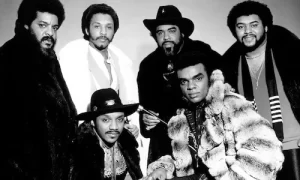
The Isley Brothers played a vital role in blending soul, funk, and raw energy into the Motown sound, leaving a strong imprint on rock and roll. Though they began with Motown, their breakout hits like “This Old Heart of Mine” showed their knack for combining emotional vocals with a driving beat. Later, with songs like “It’s Your Thing” and “Fight the Power,” they pushed boundaries by adding funk grooves, assertive lyrics, and guitar-heavy arrangements that echoed rock’s rebellious spirit. Ernie Isley’s searing guitar solos were directly inspired by Jimi Hendrix, who once played with the band. The Isleys influenced rock acts by showing how soulful vocals and rock instrumentation could blend seamlessly, helping shape a crossover style that defined 1970s music and beyond.
Rockwell
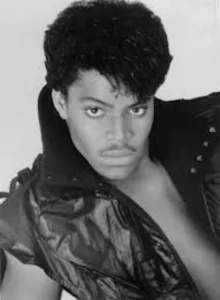
Rockwell, a Motown artist best known for his 1984 hit “Somebody’s Watching Me,” brought a fresh blend of pop, funk, and rock elements to the Motown sound. His music featured catchy hooks, synthesizer-driven grooves, and a mysterious vocal style that incorporated both soulful and rock influences. Rockwell’s work showed Motown’s adaptability to ’80s trends, blending the label’s classic soul roots with contemporary rock and dance beats. His collaboration with artists like Michael Jackson also linked Motown’s legacy with mainstream pop and rock audiences. Though not as foundational as earlier Motown legends, Rockwell helped demonstrate how Motown could evolve with the times, influencing the fusion of rock and pop sounds within the label’s diverse catalog.