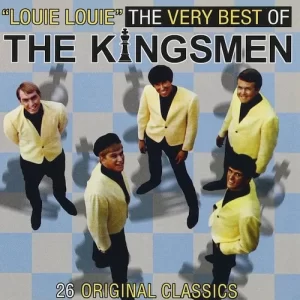
The Kingsmen made a major impact on rock music and the garage band sound with their 1963 hit “Louie Louie,” one of the most iconic and influential garage rock songs of all time. Recorded with a raw, unpolished feel, the track featured slurred vocals, a simple three-chord structure, and a driving beat that captured the spirit of teenage rebellion. Its rough, almost accidental quality became a defining trait of garage rock, inspiring countless young bands to pick up instruments and play with attitude rather than perfection. The Kingsmen’s success showed that passion and energy could trump technical skill, laying the groundwork for punk rock and establishing the garage rock ethos that would thrive in the decades to come.
The Sonics
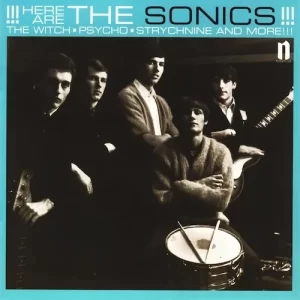
The Sonics were one of the most influential garage rock bands of the 1960s, known for their explosive sound, raw energy, and aggressive style. Hailing from Tacoma, Washington, they pushed the limits of volume and distortion, with pounding drums, gritty guitar riffs, and screaming vocals. Songs like “Psycho,” “Strychnine,” and “The Witch” were filled with wild intensity and dark, rebellious lyrics that set them apart from their peers. The Sonics’ lo-fi, unpolished recordings became a blueprint for garage rock and later influenced punk, grunge, and indie rock movements. Their uncompromising sound and DIY spirit helped define the garage band aesthetic, earning them a lasting legacy as pioneers of hard-edged, underground rock music.
The Standells
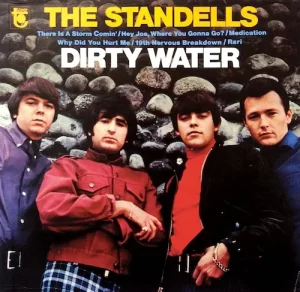
The Standells were key figures in shaping the garage rock sound of the 1960s, known for their raw, rebellious energy and gritty style. Their 1966 hit “Dirty Water” became an enduring garage rock anthem, blending distorted guitar riffs, driving rhythms, and snarky vocals with a defiant attitude. Often called the “Godfathers of Punk,” The Standells captured teenage angst and urban toughness, influencing later punk and garage revival bands. With roots in Los Angeles, they embraced a streetwise image and sound that contrasted sharply with the polished pop of the time. Their straightforward, energetic songs and unfiltered lyrics helped define garage rock’s no-frills aesthetic and left a lasting impact on underground rock music.
The Seeds
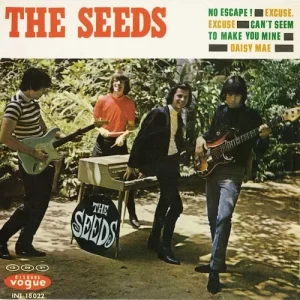
The Seeds played a vital role in shaping the garage rock sound of the 1960s with their raw energy, fuzz-heavy guitars, and sneering vocals. Fronted by Sky Saxon, the band’s breakout hit “Pushin’ Too Hard” became a garage rock anthem, capturing teenage frustration and rebellion with a simple, hypnotic riff. Their music blended elements of garage, psychedelia, and early punk, pushing sonic boundaries while keeping a gritty, DIY edge. The Seeds were among the first to brand their music as “flower punk,” merging aggressive sounds with psychedelic themes. Their minimalist approach, distinctive attitude, and unpolished production laid the groundwork for future punk and alternative bands, making them a cornerstone of the garage rock movement.
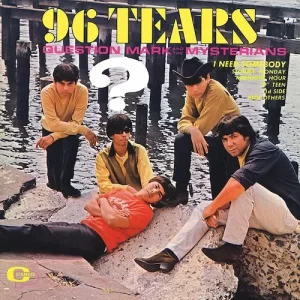
? and the Mysterians
? and the Mysterians made a major contribution to garage rock with their 1966 hit “96 Tears,” a song that helped define the genre’s raw, stripped-down sound. Featuring a catchy Farfisa organ riff, gritty vocals, and a rebellious attitude, the track became a garage rock classic and an early example of proto-punk. Led by the enigmatic frontman “?,” the band brought a mysterious, edgy presence that stood out in the pop-driven music scene. Their lo-fi production, emotional intensity, and simple song structures influenced countless garage and punk bands. As one of the first Latino rock bands to achieve mainstream success, they also expanded the cultural reach of the garage rock movement.
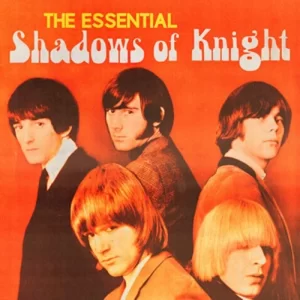
The Shadows of Knight
The Shadows of Knight were central to defining the garage rock sound of the 1960s by blending British Invasion influences with gritty American blues. Their 1966 hit “Gloria,” a raw, driving cover of the Them classic, became a garage rock anthem, showcasing distorted guitar, simple riffs, and rebellious vocals. Hailing from Chicago, the band brought a Midwestern edge to their music, combining teenage attitude with a stripped-down, energetic style. They played a crucial role in popularizing the garage sound, influencing countless regional bands. By embracing a do-it-yourself spirit and blues-based rock, the Shadows of Knight helped shape the sonic foundation of punk and garage revival movements that followed in later decades.
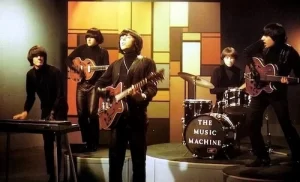
The Music Machine
The Music Machine made a powerful impact on the garage rock scene with their dark, aggressive sound and distinctive style. Best known for their 1966 hit “Talk Talk,” the band fused fuzz-drenched guitar riffs, pounding rhythms, and snarling vocals to create a raw, intense energy that set them apart. Led by Sean Bonniwell, they brought a level of sophistication to garage rock with tight arrangements and thoughtful, sometimes moody lyrics. Their all-black outfits and single black gloves became part of their rebellious image. The Music Machine helped shape the garage band sound by blending it with proto-punk and psychedelic elements, influencing later punk and alternative acts who embraced their edgy, no-nonsense approach to rock music.
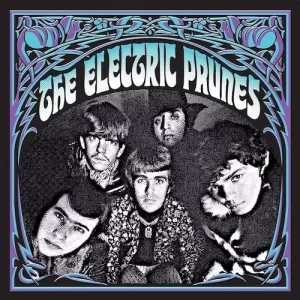
The Electric Prunes
The Electric Prunes were pioneers of the garage rock sound, blending raw energy with experimental psychedelia in the mid-to-late 1960s. Their breakthrough hit “I Had Too Much to Dream (Last Night)” featured fuzzed-out guitar, eerie effects, and haunting vocals—hallmarks of the garage rock style. They pushed sonic boundaries by combining garage’s gritty, rebellious spirit with studio innovation, including the use of reverb, tape manipulation, and feedback. The band’s willingness to explore darker, more surreal themes influenced both psychedelic and punk movements. Though their commercial success was brief, their unique sound left a lasting mark on underground rock, inspiring future generations of garage and alternative bands to experiment while staying true to a raw, DIY ethos.
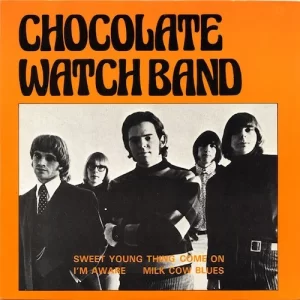
The Chocolate Watchband
The Chocolate Watchband was a key contributor to the development of the garage band sound in the 1960s. Known for their raw energy, fuzzy guitar riffs, and rebellious attitude, they captured the essence of garage rock with a mix of psychedelic and proto-punk influences. Their music, including tracks like “Let’s Talk About Girls” and “Are You Gonna Be There (At the Love-In),” showcased a gritty, unpolished style that inspired countless garage and punk bands to come. Though not commercially huge at the time, their cult status grew, and their work is now considered essential to the genre. The band’s edgy vocals, distorted guitars, and underground appeal helped define the garage rock aesthetic.
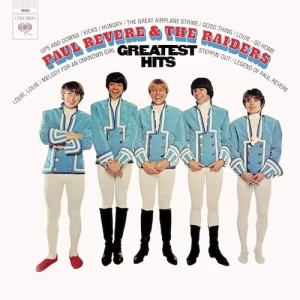
Paul Revere & the Raiders
Paul Revere and the Raiders made a significant impact on rock music in the 1960s with their energetic performances, catchy garage rock sound, and bold stage presence. Blending rock ‘n’ roll with R&B influences, they helped popularize a raw, rebellious style that paved the way for punk and hard rock. Their tight musicianship and showmanship—often featuring Revolutionary War costumes—made them stand out on television shows like Where the Action Is. Hits like “Kicks” and “Hungry” tackled social issues while maintaining a strong pop appeal. The band bridged the gap between early rock and the harder-edged music of the late ’60s, leaving a lasting mark on American rock history.