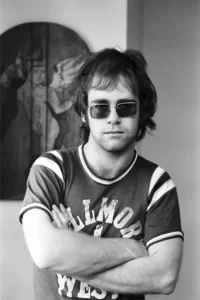
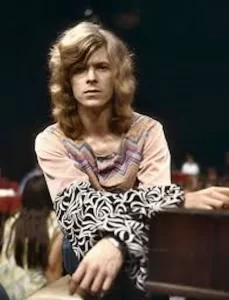
Elton John had a profound influence on rock and roll with his flamboyant style, piano-driven sound, and theatrical stage presence. Emerging in the early 1970s, he brought a fresh fusion of rock, pop, and glam, helping redefine what a rock star could be. With lyricist Bernie Taupin, Elton crafted songs that blended heartfelt storytelling with catchy, powerful melodies—hits like “Tiny Dancer” and “Rocket Man” became anthems. His use of the piano as a lead instrument challenged the guitar-dominated rock norm, paving the way for artists like Billy Joel and Ben Folds. Elton’s showmanship and bold persona also inspired generations of performers to embrace individuality and spectacle within rock music.
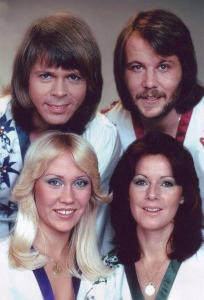
ABBA
ABBA influenced rock and roll by infusing it with polished pop sensibilities, tight vocal harmonies, and sophisticated production. While not traditionally categorized as rock, their innovative songwriting and studio techniques left a lasting mark on the genre. Songs like “Waterloo” and “Knowing Me, Knowing You” showcased layered arrangements and emotional storytelling that resonated beyond pop audiences. Their ability to blend glam, disco, and rock elements helped bridge genres and influenced bands exploring melodic rock and power pop. ABBA also demonstrated the global appeal of catchy, well-produced music, encouraging rock artists to focus more on production quality and international accessibility. Their influence can be seen in the polished, harmony-rich rock of acts like Queen, Fleetwood Mac, and later, The Killers.
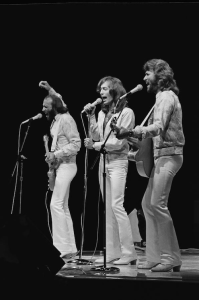
The Bee Gees
The Bee Gees had a significant impact on 1970s pop rock, blending heartfelt balladry with rhythmic grooves and rich vocal harmonies. Early in the decade, their soft rock hits like “How Can You Mend a Broken Heart” and “Run to Me” showcased emotional depth and melodic sophistication, influencing pop rock’s embrace of vulnerability and harmony-driven sound. As the decade progressed, their shift toward funk-infused rhythms and falsetto vocals—especially in their Saturday Night Fever era—reshaped the boundaries between pop, rock, and disco. Their success proved that rock-rooted artists could adapt and innovate within mainstream trends without losing authenticity. The Bee Gees’ ability to craft memorable hooks and experiment with production helped define the sonic texture of 1970s pop rock and beyond.
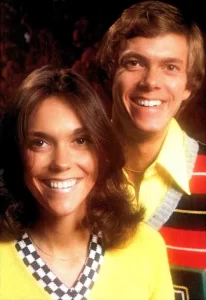
Carpenters
The Carpenters brought a soft, melodic elegance to 1970s pop rock, influencing the genre with their clean production, emotional lyricism, and rich vocal harmonies. Karen Carpenter’s warm, haunting voice gave their music a depth and sincerity that resonated with a wide audience, while Richard Carpenter’s arrangements blended pop, rock, and easy listening into a smooth, accessible sound. Hits like “Close to You” and “Goodbye to Love” showcased their mastery of melody and emotional nuance, encouraging other pop rock artists to embrace vulnerability and orchestral elements. The Carpenters helped define the softer side of 1970s pop rock, paving the way for acts like Bread, America, and Christopher Cross, who combined introspective lyrics with polished instrumentation to reach mainstream success.
Paul McCartney & Wings
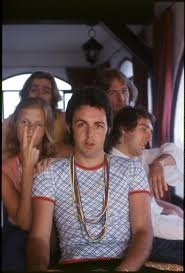
Paul McCartney and Wings had a strong influence on 1970s pop rock by blending McCartney’s Beatles-honed songwriting with a fresh, radio-friendly rock sound. Their music ranged from tender ballads like “My Love” to upbeat rockers like “Jet” and “Band on the Run,” showcasing versatility that helped shape the era’s pop rock aesthetic. McCartney’s gift for melody, paired with polished production and accessible lyrics, made Wings a blueprint for balancing commercial appeal with artistic integrity. Their international success demonstrated that sophisticated arrangements and catchy hooks could coexist in rock music. Wings inspired countless artists to blend rock’s energy with pop’s charm, contributing to the smooth, melody-driven style that became a hallmark of 1970s pop rock.
Donna Summer
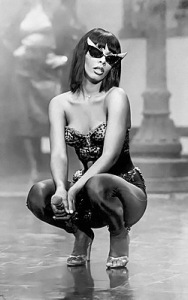
Donna Summer influenced 1970s pop rock by blurring the lines between rock, pop, and disco with her powerful vocals, genre-bending collaborations, and dynamic stage presence. While known as the “Queen of Disco,” Summer worked with producers like Giorgio Moroder to create innovative, synth-driven tracks that incorporated rock elements—most notably in songs like “Hot Stuff,” which featured a prominent electric guitar riff. Her music showed that danceable beats and rock instrumentation could coexist, encouraging pop rock artists to experiment with rhythm, production, and electronic textures. Summer’s vocal strength and charisma also set a new standard for performance in pop rock, influencing artists like Pat Benatar and Blondie, who fused rock attitude with danceable, crossover appeal in the late ’70s and beyond.
Olivia Newton-John
Olivia Newton-John brought a gentle, country-pop sensibility to 1970s pop rock, influencing the genre with her soft vocals, emotional storytelling, and crossover appeal. Early hits like “If You Love Me (Let Me Know)” and “I Honestly Love You” blended pop, rock, and country elements, helping soften the edges of rock and make it more accessible to mainstream audiences. Her clean production and heartfelt delivery paved the way for female artists to explore sensitive themes within a rock-influenced format. Later, with songs like “Magic” and “A Little More Love,” she embraced a more polished, radio-friendly pop rock style that mirrored the era’s evolving sound. Olivia’s success helped shape the smooth, melodic direction of 1970s pop rock and expanded its reach across genres.
Barry Manilow
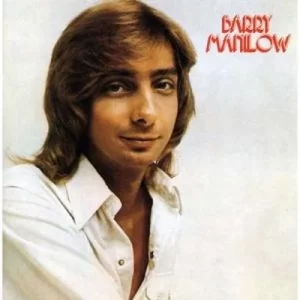
Barry Manilow influenced 1970s pop rock by merging theatrical flair with heartfelt storytelling and lush arrangements. His background in jingle writing gave him a knack for crafting instantly memorable melodies, as heard in hits like “Mandy,” “Weekend in New England,” and “Could It Be Magic.” While not a traditional rocker, Manilow brought pop rock a sense of drama and emotional intensity, often blending soft rock instrumentation with Broadway-style crescendos. His polished production and piano-driven style inspired other artists to explore more orchestrated, expressive approaches within pop rock. Manilow also helped popularize the sensitive male vocalist archetype in rock-influenced pop, paving the way for artists like Billy Joel and Elton John to thrive with a similar mix of accessibility, musicianship, and showmanship.
Jackson 5 / Michael Jackson
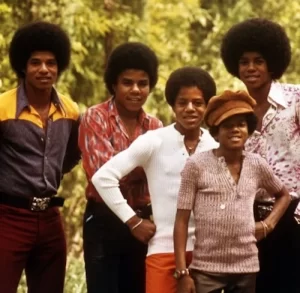
The Jackson 5 brought youthful energy, tight harmonies, and infectious rhythms to 1970s pop rock, helping to blur the lines between Motown soul, pop, and rock. Their early hits like “I Want You Back” and “ABC” featured driving basslines, upbeat tempos, and catchy hooks that resonated with pop rock audiences. While rooted in R&B, the group’s crossover success and polished production influenced pop rock artists to embrace groove-oriented sounds and dynamic stage performances. Michael Jackson’s charismatic vocals and the group’s wide appeal made them pioneers in integrating funk and soul into mainstream pop rock. Their influence opened doors for more diverse sounds and artists within the genre, shaping the upbeat, danceable side of 1970s pop rock.
David Bowie
David Bowie had a profound impact on 1970s pop rock by infusing it with art, theater, and fearless experimentation. Constantly reinventing himself—from Ziggy Stardust to the Thin White Duke—Bowie expanded the possibilities of what pop rock could sound and look like. His fusion of glam rock, soul, funk, and electronic music inspired artists to take creative risks and blur genre lines. Albums like Hunky Dory, The Rise and Fall of Ziggy Stardust, and Young Americans showcased his range, blending catchy melodies with bold themes and innovative production. Bowie’s influence encouraged pop rock to embrace individuality, androgyny, and high-concept performance, shaping the direction of 1970s music and paving the way for the new wave and synth-pop movements that followed.