70's R&B

Blending soul, funk, and emerging disco sounds

Add Your Heading Text Here

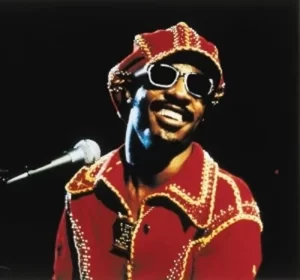
Stevie Wonder

Stevie Wonder  had a profound influence on R&B by blending soul, funk, pop, and jazz into a unique and emotionally powerful sound. As a musical prodigy, he pushed boundaries with groundbreaking albums like Songs in the Key of Life which featured socially conscious lyrics and innovative use of synthesizers. Wonder’s mastery of melody, harmony, and rhythm redefined what R&B could be, inspiring countless artists to be more expressive and experimental. His ability to combine personal storytelling with broader social themes helped elevate R&B from danceable love songs to meaningful, message-driven music. Artists like Prince, Alicia Keys, and John Legend have cited Wonder as a major influence on their own sound and songwriting.

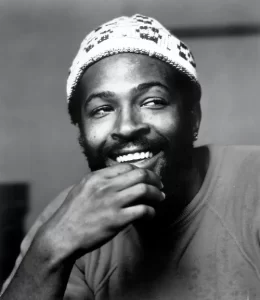
Marvin Gaye

Marvin Gaye deeply influenced R&B by infusing the genre with emotional depth, social awareness, and sophisticated musicality. Known as the “Prince of Motown,” Gaye began with smooth love songs but transformed R&B with his 1971 album What’s Going On, which tackled issues like war, poverty, and environmental concerns. His smooth, expressive voice and layered production set a new standard for the genre. Gaye’s blend of soul, funk, and gospel elements expanded R&B’s musical palette and inspired artists to explore more personal and political themes. His use of multi-tracked vocals and lush arrangements influenced generations of R&B singers, including D’Angelo, Usher, and Maxwell, helping to shape the sound of contemporary soul and neo-soul.

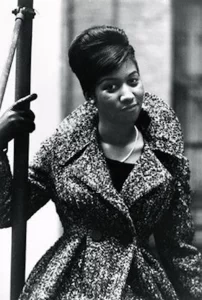
Aretha Franklin

Aretha Franklin, known as the “Queen of Soul,” had a lasting impact on R&B by combining gospel roots with raw emotional power and unmatched vocal talent. Her ability to infuse deep feeling into every note helped elevate R&B from entertainment to art. Hits like “Respect,” “Chain of Fools,” and “Think” showcased her commanding voice and empowered lyrical themes, influencing both the sound and message of R&B music. Aretha brought gospel techniques—such as vocal runs, call-and-response, and spiritual intensity—into mainstream R&B, inspiring generations of singers. Artists like Whitney Houston, Beyoncé, and Jennifer Hudson have credited her as a foundational influence. Franklin’s blend of soul, strength, and vulnerability helped redefine what it meant to be an R&B vocalist.

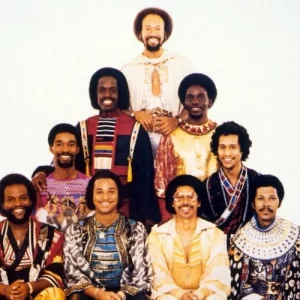
Earth, Wind & Fire


Earth, Wind & Fire revolutionized R&B by blending soul, funk, jazz, disco, and African rhythms into a dynamic and uplifting sound. Known for their intricate horn arrangements, soaring harmonies, and positive, spiritual lyrics, they brought a new level of musical sophistication and energy to the genre. Led by Maurice White, the band created timeless hits like “September,” “Shining Star,” and “Reasons,” which emphasized joy, unity, and love. Their fusion of genres expanded the boundaries of R&B and inspired artists to experiment with instrumentation and performance. Earth, Wind & Fire’s elaborate live shows and strong musicianship influenced groups like Kool & The Gang, The Gap Band, and later artists such as Bruno Mars and Beyoncé, reshaping the future of R&B.

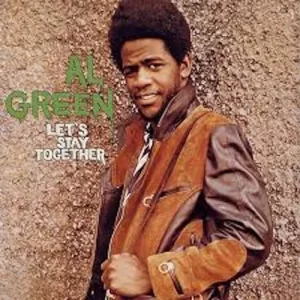
Al Green

Al Green influenced R&B by blending smooth soul with gospel emotion, creating a deeply personal and romantic sound that became his signature. His silky falsetto, emotional delivery, and intimate lyrics set a new standard for love songs in the genre. Hits like “Let’s Stay Together,” “Tired of Being Alone,” and “Love and Happiness” showcased his ability to balance sensuality with spiritual depth. Green’s work with producer Willie Mitchell at Hi Records introduced a refined, mellow sound that became widely imitated. His music bridged the gap between sacred and secular, influencing later R&B and soul artists such as Maxwell, John Legend, and D’Angelo. Al Green’s heartfelt performances helped shape modern R&B into a genre driven by emotional expression and vocal finesse.

The Isley Brothers

The Isley Brothers significantly influenced R&B by evolving their sound over decades, blending gospel, soul, funk, and rock into a powerful and versatile musical style. Starting with doo-wop in the 1950s, they reinvented themselves in the 1970s with hits like “It’s Your Thing” and “Between the Sheets,” which showcased funk grooves and sensual lyrics. Their smooth harmonies and Ron Isley’s distinctive falsetto became trademarks of romantic R&B. They also introduced guitar-driven sounds, thanks to Ernie Isley, which bridged R&B and rock, influencing artists like Prince and Lenny Kravitz. Their ability to stay relevant through generations helped shape contemporary R&B’s focus on both rhythm and emotional storytelling, inspiring acts such as R. Kelly, Usher, and The Weeknd.

Curtis Mayfield

Curtis Mayfield profoundly influenced R&B by infusing it with social consciousness, poetic lyrics, and a distinctive falsetto vocal style. Starting with The Impressions, Mayfield wrote uplifting anthems like “People Get Ready,” promoting civil rights and unity. As a solo artist, he pioneered socially aware R&B with albums like Super Fly, which combined gritty urban storytelling with funky grooves and lush orchestration. His music addressed poverty, racism, and inner-city struggles, showing that R&B could be both musically rich and politically powerful. Mayfield’s smooth yet urgent delivery inspired generations of artists, including Marvin Gaye, Lauryn Hill, and John Legend. His blend of message-driven songwriting and innovative production helped push R&B beyond love songs into the realm of activism and truth-telling.

James Brown

James Brown, often called the “Godfather of Soul,” revolutionized R&B by laying the foundation for funk and redefining rhythm in popular music. With hits like “Papa’s Got a Brand New Bag” and “I Got You (I Feel Good),” Brown emphasized tight grooves, syncopated beats, and punchy horn sections, shifting the focus from melody to rhythm. His energetic performances, raspy vocals, and precise band leadership set a new standard for live R&B shows. Brown’s raw power and social messages—like in “Say It Loud – I’m Black and I’m Proud”—inspired artists to use R&B as a platform for cultural expression. His influence can be heard in later R&B, funk, hip-hop, and soul acts, including Prince, Michael Jackson, and Bruno Mars.

Donna Summer

Donna Summer, known as the “Queen of Disco,” brought a unique influence to R&B by blending soulful vocals with electronic dance rhythms, helping bridge disco and contemporary R&B. Her powerful voice and sensual style set a new tone for female vocalists in the genre. Hits like “Love to Love You Baby” and “Last Dance” introduced lush production, layered harmonies, and a pulsing beat that would shape the sound of late ’70s and early ’80s R&B. Working with producers Giorgio Moroder and Pete Bellotte, she helped pioneer the use of synthesizers and electronic instruments in pop and R&B. Her style influenced artists like Beyoncé, Janet Jackson, and Rihanna, paving the way for a more danceable, glamorous side of R&B music.

Teddy Pendergrass / Harold Melvin & the Blue Notes

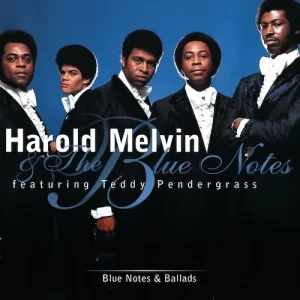
Teddy Pendergrass and Harold Melvin & the Blue Notes had a major influence on R&B by bringing emotional depth, gospel-rooted vocals, and polished Philly soul production to the forefront. As lead singer, Pendergrass’s powerful, gritty voice gave the group a commanding sound on hits like “If You Don’t Know Me by Now” and “The Love I Lost.” Working with legendary producers Gamble and Huff, they helped define the Philadelphia soul sound—lush strings, smooth horns, and heartfelt lyrics that blended romantic longing with social commentary. After going solo, Pendergrass became an R&B icon with seductive ballads and passionate performances. Their success laid the groundwork for modern R&B’s mix of vulnerability and strength, influencing artists like Luther Vandross, Keith Sweat, and Tyrese.