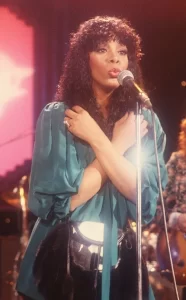
Donna Summer, often called the “Queen of Disco,” revolutionized the genre with her powerful vocals, glamorous style, and groundbreaking collaborations. Her 1975 hit “Love to Love You Baby,” produced by Giorgio Moroder, introduced a new level of sensuality and electronic innovation to dance music. She helped shape the sound of disco with layered synths, pulsating rhythms, and extended mixes that kept people dancing all night. Songs like “Last Dance” and “Hot Stuff” crossed over to pop and rock charts, proving disco’s mainstream appeal. Ironically, despite her massive influence on the nightclub scene, Summer had a complicated relationship with disco culture later in life. Still, her impact on dance music remains timeless and foundational.
Bee Gees
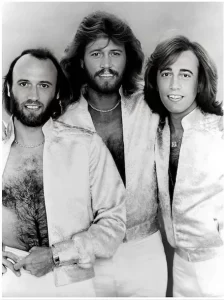
The Bee Gees played a pivotal role in bringing disco music to the mainstream in the late 1970s. Their soundtrack for Saturday Night Fever (1977), featuring hits like “Stayin’ Alive,” “Night Fever,” and “How Deep Is Your Love,” became the heartbeat of the disco era. With tight harmonies, falsetto vocals, and infectious grooves, the Bee Gees redefined their sound and helped turn disco into a global phenomenon. Their music dominated dance floors and pop charts alike, making them icons of the genre. Ironically, the brothers had already found success in the 1960s as pop balladeers—disco was a reinvention that not only revived their careers but also left a lasting imprint on music history.
Gloria Gaynor
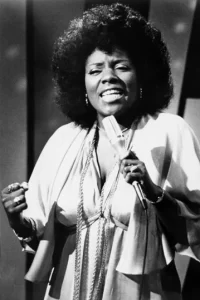
Gloria Gaynor became a defining voice of disco music with her powerful anthem “I Will Survive,” released in 1978. The song’s message of resilience and independence resonated deeply, especially with women and the LGBTQ+ community, turning it into more than just a dance hit—it became a cultural statement. Gaynor’s rich, soulful vocals brought emotional depth to disco, proving the genre could be both meaningful and danceable. Earlier hits like “Never Can Say Goodbye” helped establish continuous-mix disco tracks in clubs. Ironically, “I Will Survive” was originally a B-side, but it quickly eclipsed the A-side to become a timeless classic. Gaynor’s influence endures as a symbol of disco’s empowerment and enduring spirit.
Chic
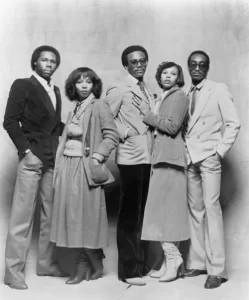
Chic brought sophistication and musical excellence to disco, blending funk, soul, and sleek production into a signature sound. Led by guitarist Nile Rodgers and bassist Bernard Edwards, Chic crafted dance-floor staples like “Le Freak” and “Good Times,” the latter of which became one of the most sampled tracks in music history. Their tight grooves, sharp rhythm guitar, and lush arrangements elevated disco beyond simple party music. Chic’s influence reached far beyond the disco era, shaping the sound of hip-hop, pop, and dance music for decades. Ironically, while “Le Freak” was born out of frustration from being denied club entry, it became a disco anthem. Chic proved that disco could be both stylish and revolutionary.
KC and the Sunshine Band
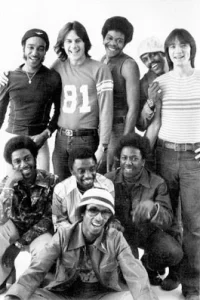
KC and the Sunshine Band brought a sunny, feel-good energy to disco with their infectious rhythms, catchy lyrics, and horn-driven sound. Formed by Harry Wayne Casey (KC), the group blended funk, R&B, and Latin influences to create dance-floor staples like “That’s the Way (I Like It),” “Get Down Tonight,” and “Boogie Shoes.” Their upbeat, party-friendly style made disco accessible to a wide audience and helped define the genre’s mainstream appeal in the mid-1970s. KC’s smooth vocals and the band’s lively instrumentation encouraged non-stop dancing. Ironically, while the band’s sound was rooted in Miami’s multicultural scene, they became international disco stars. Their influence helped establish disco as a dominant force in pop music during its golden era.
The Trammps
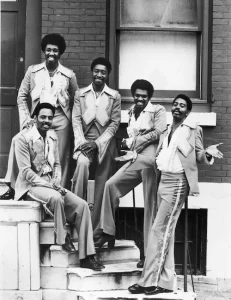
The Trammps were instrumental in shaping early disco with their dynamic blend of soul, funk, and driving dance rhythms. Best known for their 1976 hit “Disco Inferno,” the group helped define the sound and energy of the disco era. Their music featured strong vocals, bold horn sections, and thumping basslines that lit up dance floors. “Disco Inferno” gained even more fame when it was included on the Saturday Night Fever soundtrack, linking The Trammps forever to disco’s cultural explosion. Unlike many disco acts, The Trammps had deep roots in soul music, which added emotional depth to their upbeat tracks. Their work bridged the gap between 1960s R&B and 1970s disco, helping ignite the genre’s rise.
Sylvester
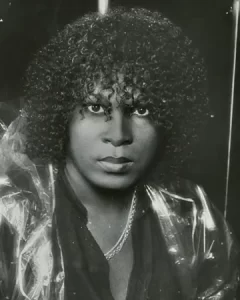
Sylvester brought a powerful, flamboyant presence to disco music, blending gospel-influenced vocals with high-energy dance beats. Known for hits like “You Make Me Feel (Mighty Real)” and “Dance (Disco Heat),” he introduced a gender-defying style and falsetto voice that stood out in the disco scene. His music celebrated freedom, identity, and self-expression, especially within the LGBTQ+ community, making him a cultural icon as well as a musical innovator. Sylvester’s collaboration with producer Patrick Cowley pushed disco into more electronic and high-tempo territory, paving the way for Hi-NRG and house music. Ironically, while some tried to box him in, Sylvester refused to conform—his individuality helped redefine what disco could be.
The Village People
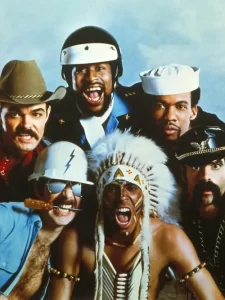
The Village People brought theatrical flair and bold identity to disco music, becoming icons of the genre with their catchy songs and campy, costumed personas. With hits like “Y.M.C.A.,” “Macho Man,” and “In the Navy,” they combined infectious dance beats with playful lyrics that celebrated freedom, fun, and community. Their exaggerated characters—a cowboy, policeman, construction worker, and more—gave disco a visual and cultural identity that was instantly recognizable. While often seen as novelty, their music resonated deeply within the LGBTQ+ community and beyond, making disco a space for expression and acceptance. Ironically, their over-the-top image helped them achieve mainstream success, even as their deeper cultural impact was initially overlooked. Their legacy remains central to disco’s history.
Barry White / Love Unlimited Orchestra
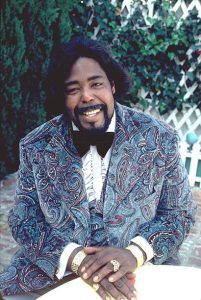
Barry White brought a smooth, sensual sound to disco, blending orchestral soul with lush arrangements and deep, romantic vocals. As a producer, composer, and singer, he crafted tracks that made love songs danceable, setting the stage for disco’s emotional and musical range. His Love Unlimited Orchestra introduced sweeping strings and grooves that would become hallmarks of the genre. Hits like “Can’t Get Enough of Your Love, Babe” and “You’re the First, the Last, My Everything” showcased his signature blend of passion and rhythm. Ironically, White’s deep, slow-speaking voice became a disco staple in a genre known for fast-paced beats. His influence brought elegance and depth to the disco movement, expanding its appeal beyond the dance floor.
ABBA
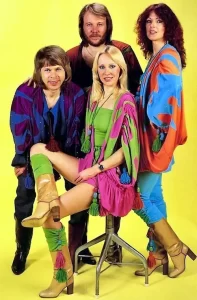
ABBA infused disco music with polished pop sensibilities, rich harmonies, and catchy melodies that resonated worldwide. While rooted in European pop, their late-1970s hits like “Dancing Queen,” “Voulez-Vous,” and “Gimme! Gimme! Gimme!” embraced disco’s infectious rhythms and turned dance floors into global stages. ABBA’s sleek production and emotional storytelling gave the genre a more refined, radio-friendly sound that appealed to both pop and disco audiences. Their glamorous image and theatrical performances also helped shape disco’s visual style. Ironically, though they rarely performed in traditional disco clubs, their music became a staple of the scene. ABBA’s blend of pop elegance and disco beats helped internationalize the genre and left a lasting impact on dance music.