Black Sabbath is widely credited with pioneering heavy metal, a powerful subgenre of rock and roll. Formed in Birmingham, England, in 1968, the band fused blues-inspired rock with darker, heavier sounds and lyrics that explored themes like war, the occult, and social unrest. Guitarist Tony Iommi’s down-tuned, distorted riffs became a signature sound, especially notable because he had to adapt his playing after losing the tips of two fingers in an industrial accident. Their 1970 debut album, Black Sabbath, shocked critics but resonated with fans, laying the groundwork for countless metal and hard rock bands to follow. With Ozzy Osbourne’s haunting vocals and a brooding atmosphere, Black Sabbath pushed rock into bolder, louder, and more rebellious territory.
Led Zeppelin
Led Zeppelin played a crucial role in shaping the foundations of heavy metal music. Blending hard blues, psychedelic rock, and folk influences, the band introduced a heavier, more aggressive sound that helped define the genre’s early identity. Jimmy Page’s thunderous guitar riffs, John Bonham’s powerful drumming, and Robert Plant’s wailing vocals gave songs like “Whole Lotta Love” and “Immigrant Song” an intensity that inspired a new generation of metal bands. Their emphasis on loud, distorted guitars, extended solos, and mystical or mythological lyrics became trademarks of metal music. While they never labeled themselves as metal, Led Zeppelin’s massive sound and rebellious energy set the stage for the genre’s evolution in the 1970s and beyond.
Deep Purple
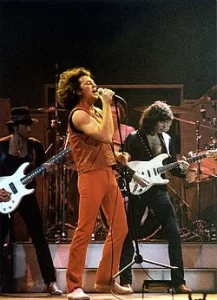
Deep Purple was instrumental in the early development of heavy metal, blending classical music structures with hard rock power. Known for their virtuosic musicianship, the band brought a new level of technical skill to rock, particularly through Ritchie Blackmore’s intricate guitar riffs and Jon Lord’s distorted Hammond organ. Their 1972 hit “Smoke on the Water,” with its iconic riff, became a blueprint for heavy guitar-driven music. Deep Purple’s fusion of speed, volume, and complexity laid the groundwork for metal’s evolution, influencing subgenres like speed metal and progressive metal. Albums like Machine Head and In Rock showcased a heavier, faster sound that pushed the boundaries of rock and helped shape the genre we now know as heavy metal.
Judas Priest
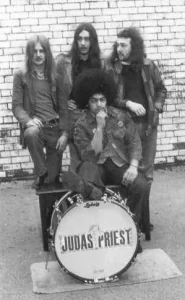
Judas Priest played a pivotal role in defining and advancing heavy metal, both musically and stylistically. Emerging from Birmingham, England in the 1970s, they stripped away blues influences and replaced them with twin lead guitars, driving rhythms, and Rob Halford’s soaring, operatic vocals. Albums like British Steel and Screaming for Vengeance delivered a sharper, more aggressive sound that set the template for 1980s metal. Beyond music, Judas Priest popularized the genre’s leather-and-studs fashion, giving metal a distinct visual identity. Their tight, precise sound and themes of rebellion, power, and fantasy inspired countless bands and helped forge subgenres like speed and power metal. Judas Priest didn’t just contribute to metal—they helped define its essence.
Aerosmith
While primarily known as a hard rock band, Aerosmith contributed to the evolution of metal music through their gritty sound, explosive energy, and blues-based guitar riffs. Formed in the early 1970s, Aerosmith brought a raw swagger to rock with hits like “Walk This Way” and “Back in the Saddle,” combining heavy guitar work, pounding drums, and Steven Tyler’s powerful, wide-ranging vocals. Their stage presence and rebellious attitude influenced many glam metal and hard rock bands of the 1980s, including Guns N’ Roses and Mötley Crüe. Though not a pure metal band, Aerosmith’s aggressive edge, dynamic performances, and crossover appeal helped shape the genre’s attitude and style, especially in the fusion of metal with mainstream rock and pop culture.
KISS
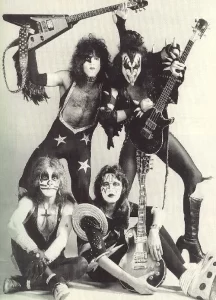
KISS contributed to the development of metal music by combining hard rock with theatrical flair and larger-than-life personas. Emerging in the 1970s, their heavy riffs, thunderous drums, and anthemic choruses brought a raw energy that resonated with early metal fans. Songs like “Detroit Rock City” and “God of Thunder” featured powerful guitar work and darker, fantasy-inspired themes that influenced the genre’s direction. KISS also revolutionized live performance with pyrotechnics, elaborate costumes, and makeup, paving the way for metal bands to embrace spectacle and showmanship. Their marketing savvy and bold image helped metal gain mainstream visibility. While rooted in hard rock, KISS helped shape metal’s sound, attitude, and theatrical culture that bands would expand on in the decades to follow.
AC/DC
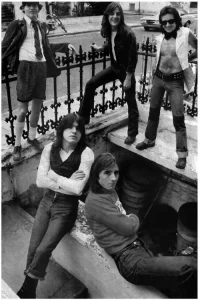
AC/DC played a key role in shaping the sound and spirit of heavy metal with their raw energy, thunderous guitar riffs, and no-nonsense attitude. Though rooted in hard rock and blues, their stripped-down, high-voltage sound laid a foundation for many metal bands that followed. Angus Young’s electrifying guitar work and Bon Scott’s (later Brian Johnson’s) gritty vocals created unforgettable tracks like “Highway to Hell” and “Back in Black,” both of which became anthems of rebellion and power. AC/DC’s emphasis on loud, fast, and aggressive music influenced the rise of speed and thrash metal. Their unwavering commitment to pure, hard-hitting rock helped define the genre’s toughness and simplicity, making them icons in the evolution of heavy metal.
Scorpions
The Scorpions helped bring heavy metal to a global audience with their blend of melodic hooks, powerful riffs, and emotionally charged ballads. Emerging from Germany in the 1970s, they were among the first European bands to break into the American metal scene. With hits like “Rock You Like a Hurricane” and “No One Like You,” the Scorpions balanced hard-hitting guitar work with catchy choruses, influencing the development of glam and arena metal. Klaus Meine’s soaring vocals and Rudolf Schenker’s dynamic guitar playing became trademarks of their sound. The band also helped pave the way for metal’s popularity in Europe and beyond, proving that metal wasn’t limited to the U.S. or U.K. but was a truly global force in rock music.
Rush
Rush, though primarily known as a progressive rock band, made a significant impact on metal music through their technical mastery, complex song structures, and philosophical lyrics. With albums like 2112 and Moving Pictures, they combined intricate time signatures, heavy guitar riffs, and Geddy Lee’s soaring vocals to create a sound that inspired generations of metal musicians. Neil Peart’s drumming, often considered among the best in rock history, introduced a new level of precision and creativity that influenced metal’s rhythm complexity. Rush’s intelligent approach to songwriting encouraged metal bands to explore deeper themes and musicianship. Their fusion of power, intellect, and instrumental skill helped shape progressive metal and earned them lasting respect across the metal community.
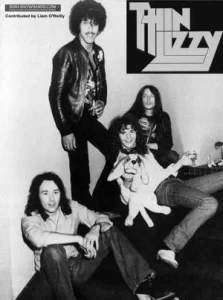
Thin Lizzy
Thin Lizzy made a lasting impact on metal music by blending hard rock with poetic storytelling and pioneering the use of twin lead guitars. Led by charismatic frontman Phil Lynott, the band delivered powerful tracks like “The Boys Are Back in Town” and “Jailbreak,” combining gritty lyrics with melodic yet heavy instrumentation. Their dual-guitar harmonies, especially showcased by Scott Gorham and Brian Robertson, became a signature sound that influenced countless metal bands, including Iron Maiden and Metallica. Thin Lizzy’s mix of soulful vocals, driving rhythms, and tough streetwise imagery helped bridge the gap between classic rock and emerging heavy metal. Their innovative approach laid important groundwork for the development of both traditional and melodic metal styles.
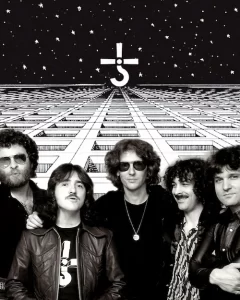
Blue Öyster Cult
Blue Öyster Cult played a unique role in shaping heavy metal by blending hard rock with dark, mysterious themes and a theatrical edge. Emerging in the early 1970s, they combined heavy guitar riffs with cryptic lyrics about the supernatural, science fiction, and conspiracy, as heard in hits like “(Don’t Fear) The Reaper.” Their sound balanced melodic hooks with a harder, heavier feel that influenced both metal and hard rock bands. Blue Öyster Cult’s innovative approach to storytelling and mood added depth and complexity to metal’s themes. With their blend of eerie atmosphere and powerful music, they helped expand metal beyond just raw power, inspiring future generations to explore darker, more intellectual elements in the genre.