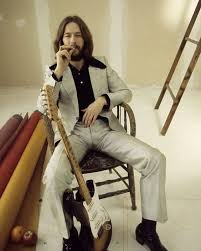
Eric Clapton had a profound influence on 1970s blues rock and roll by blending traditional Delta and Chicago blues with the power and style of rock guitar. His work with bands like Cream and Derek and the Dominos brought extended blues-based jams, emotional guitar solos, and a heavier sound to mainstream audiences. Clapton’s deep respect for blues legends like Robert Johnson and B.B. King helped revive interest in those artists while modernizing their sound for a rock audience. Songs like “Layla” and his cover of “Crossroads” showcased his ability to channel raw emotion through blues structure. His smooth vocal delivery and expressive guitar tone became a blueprint for blues-influenced rock, inspiring a generation of guitarists and shaping the genre’s evolution.
Led Zeppelin
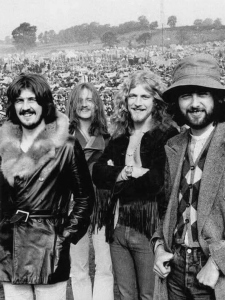
Led Zeppelin played a crucial role in shaping 1970s blues rock by fusing traditional blues roots with hard rock intensity and experimental flair. Drawing heavily from blues artists like Howlin’ Wolf and Willie Dixon, the band infused classic blues structures with thunderous drumming, wailing vocals, and aggressive guitar riffs. Songs like “Since I’ve Been Loving You” and “You Shook Me” highlighted their deep blues influence, while Jimmy Page’s distorted guitar tone and Robert Plant’s soulful vocals gave the music a raw, electrified edge. They often expanded traditional blues into longer, more dynamic compositions, helping bridge the gap between blues, rock, and even early heavy metal. Their reinterpretation of the blues brought the genre to stadiums and a global audience.
The Allman Brothers Band
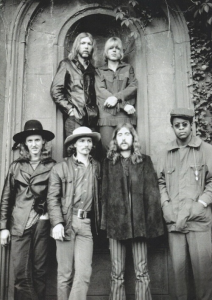
The Allman Brothers Band were central to the development of 1970s blues rock, blending Southern blues traditions with rock, jazz, and country influences. Rooted in the soulful guitar work of Duane Allman and Dickey Betts, the band infused classic blues structures with extended improvisation and dual-guitar harmonies. Songs like “Statesboro Blues” and “Whipping Post” showcased their ability to take traditional blues material and expand it into powerful, jam-heavy performances. Gregg Allman’s gritty vocals and Hammond organ added emotional depth, giving their sound a distinct Southern flavor. Their live album At Fillmore East became a landmark in blues rock, demonstrating how the genre could be both deeply traditional and boldly exploratory, influencing countless jam bands and Southern rock acts to follow.
Fleetwood Mac (Peter Green era)
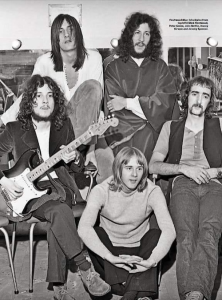
Fleetwood Mac’s Peter Green era left a lasting mark on 1970s blues rock by delivering a raw, emotional, and authentic British take on American blues. Formed in 1967, the band—under Green’s leadership—focused heavily on traditional blues sounds, but with a haunting, melodic twist. Green’s guitar tone was fluid and expressive, as heard in songs like “Black Magic Woman” and “Albatross.” Unlike the heavier blues-rock emerging at the time, Fleetwood Mac emphasized subtlety, feeling, and mood over sheer volume. Their stripped-down, heartfelt approach laid the groundwork for more introspective blues rock in the 1970s. Green’s songwriting and guitar work deeply influenced guitarists like Gary Moore and Eric Clapton, helping bridge the gap between American blues and evolving British rock.
Stevie Ray Vaughan
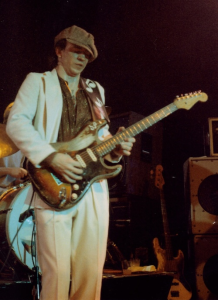
Though Stevie Ray Vaughan rose to prominence in the 1980s, his style was deeply rooted in the blues rock traditions of the 1970s and helped carry that sound forward. He was heavily influenced by ’70s blues rock artists like Jimi Hendrix, Albert King, and ZZ Top, blending their gritty guitar-driven sound with Texas blues swagger. Vaughan’s fiery playing, drenched in emotion and technical precision, echoed the raw power of the earlier decade’s blues rock while adding a fresh intensity. His ability to channel traditional blues through modern amplification and phrasing brought renewed attention to the genre. In many ways, Stevie Ray Vaughan revitalized the blues rock spirit of the ’70s and ensured its continued influence into the next generation of rock musicians.
Rory Gallagher
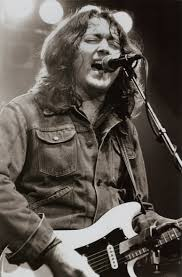
Rory Gallagher was a driving force in shaping 1970s blues rock with his passionate guitar work, energetic performances, and deep love for traditional blues. Hailing from Ireland, Gallagher brought a raw, no-frills authenticity to the genre, blending Delta and Chicago blues with gritty rock intensity. His albums and relentless touring showcased powerful tracks like “Laundromat” and “Tattoo’d Lady,” which combined blues structures with searing solos and heartfelt vocals. Unlike some of his contemporaries, Gallagher avoided overproduction, favoring a stripped-down, honest sound that resonated with purists and rock fans alike. His dedication to the blues helped popularize the genre in Europe and inspired guitarists such as Brian May and Slash, leaving a lasting legacy on blues rock’s evolution during the decade.
ZZ Top
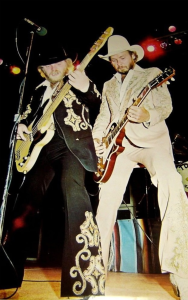
ZZ Top brought a unique Southern flair to 1970s blues rock by blending traditional Texas blues with boogie rhythms, rock swagger, and a dose of humor. The trio—Billy Gibbons, Dusty Hill, and Frank Beard—crafted a tight, groove-heavy sound driven by Gibbons’ gritty guitar tone and soulful licks. Albums like Tres Hombres featured hits such as “La Grange,” which paid homage to John Lee Hooker-style riffs while adding modern energy and attitude. ZZ Top’s fusion of blues roots with catchy, radio-friendly hooks helped broaden the appeal of blues rock. Their image—beards, shades, and Texas cool—became iconic, and their sound influenced generations of blues and rock musicians by proving the blues could be raw, fun, and commercially successful all at once.
Johnny Winter
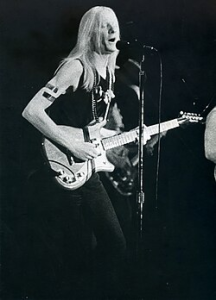
Johnny Winter played a key role in energizing 1970s blues rock with his fiery guitar playing, gritty vocals, and deep respect for traditional blues. A Texas native, Winter brought a high-octane style to the genre, combining the raw emotion of Delta blues with the speed and volume of rock and roll. His performances were electrifying, especially on tracks like “Rock and Roll, Hoochie Koo” and his covers of Muddy Waters and Robert Johnson classics. Winter’s slide guitar work and aggressive solos pushed blues into harder, louder territory without losing its emotional core. He also helped revive the careers of older blues legends, notably producing several of Muddy Waters’ Grammy-winning albums, further bridging the gap between traditional blues and modern blues rock.
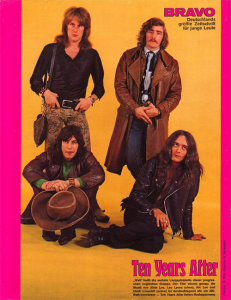
Ten Years After
Ten Years After brought a fiery, jazz-tinged edge to 1970s blues rock, blending traditional blues structures with fast-paced guitar solos and improvisational energy. Led by the virtuosic Alvin Lee, the band gained international attention with their explosive performance of “I’m Going Home” at Woodstock, showcasing their ability to fuse blues roots with rock intensity. Their songs, such as “Good Morning Little Schoolgirl” and “Love Like a Man,” featured raw vocals, heavy grooves, and rapid-fire guitar work that pushed blues rock into more progressive and psychedelic territory. Ten Years After emphasized musicianship and live performance, inspiring countless guitarists and jam bands. Their energetic approach helped expand the boundaries of blues rock, making it louder, faster, and more technically adventurous in the 1970s.
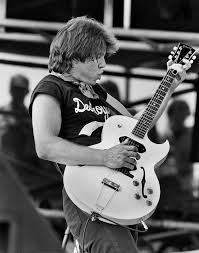
George Thorogood and the Destroyers
George Thorogood and the Destroyers brought a gritty, hard-driving energy to 1970s blues rock, reviving classic blues with a barroom rock attitude. Influenced by legends like Bo Diddley, Elmore James, and John Lee Hooker, Thorogood injected their styles with loud guitars, stomping rhythms, and a raw vocal delivery. Songs like “Bad to the Bone” and “Move It on Over” took traditional blues themes and gave them a modern, rebellious twist that appealed to rock audiences. The band’s stripped-down trio format emphasized rhythm and swagger, making blues rock more accessible and energetic. Thorogood’s blend of slide guitar, rockabilly flair, and working-class grit helped keep blues-based rock alive and thriving in the mainstream during a time dominated by arena rock and punk.