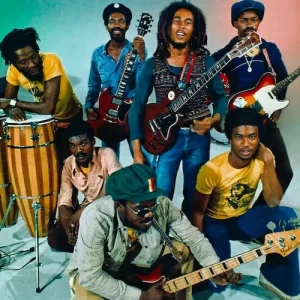
In the 1970s, Bob Marley and the Wailers had a profound influence on reggae-infused rock and roll. Their music brought Jamaican rhythms and Rastafarian themes to a global audience, blending soulful melodies with messages of peace, resistance, and unity. Marley’s charismatic presence and songwriting introduced reggae’s distinctive offbeat rhythms and heavy basslines to rock artists seeking new sounds. Bands like The Clash, Eric Clapton, and even The Rolling Stones began incorporating reggae elements into their music. Marley’s global popularity helped legitimize reggae as a powerful cultural force, not just a regional genre. His crossover appeal bridged racial and musical divides, inspiring a generation of musicians to embrace reggae’s spirit of rebellion and social consciousness within rock frameworks.
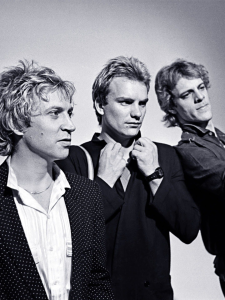
The Police
In the late 1970s, The Police played a key role in blending reggae with rock and roll, helping shape the emerging reggae rock sound. Influenced by Jamaican rhythms, they incorporated reggae’s syncopated beats, offbeat guitar chops, and laid-back grooves into their punk-rooted style. Songs like “Roxanne” and “Walking on the Moon” showcased this fusion, bringing reggae influences into mainstream rock. Sting’s melodic basslines and Stewart Copeland’s reggae-style drumming gave their music a distinctive bounce, while maintaining the energy of rock. The Police’s success proved that reggae could seamlessly integrate with rock, inspiring countless bands in the ‘80s and beyond. Their sound paved the way for a new wave of reggae rock, mixing edgy punk attitude with island-style rhythms.
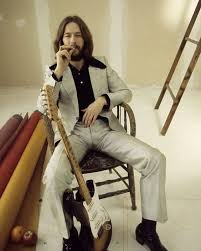
Eric Clapton
In the 1970s, Eric Clapton helped bring reggae rock and roll into the mainstream, most notably with his 1974 cover of Bob Marley’s “I Shot the Sheriff.” Clapton’s version topped the U.S. charts, introducing reggae to a broader rock audience. While not a reggae artist himself, Clapton respected the genre’s groove and emotional depth, blending its rhythmic pulse with bluesy guitar and laid-back vocals. His success with a reggae-influenced hit encouraged other rock musicians to explore Jamaican sounds. Clapton’s smooth crossover demonstrated reggae’s versatility and commercial potential, helping to break down musical boundaries. His influence supported the genre’s rise in popular music, paving the way for future reggae-rock artists and deepening reggae’s impact on 1970s rock and roll.
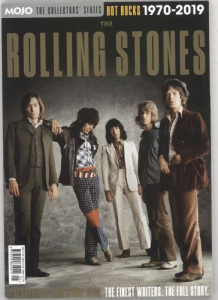
The Rolling Stones
In the 1970s, The Rolling Stones embraced reggae and helped weave it into the fabric of rock and roll. Fascinated by Jamaican culture, the band recorded parts of their music in Kingston and began experimenting with reggae rhythms and styles. Their 1976 song “Cherry Oh Baby,” a cover of a Jamaican hit, and the reggae-inspired groove of “Luxury” reflected this influence. Keith Richards, in particular, admired reggae’s offbeat guitar style and rhythmic freedom. The Stones’ global popularity gave reggae credibility in mainstream rock circles, encouraging other artists to explore the genre. By blending reggae’s laid-back vibe with rock’s raw energy, The Rolling Stones helped broaden reggae rock’s reach and deepen its influence on 1970s popular music.
Led Zeppelin
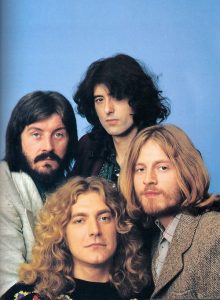
In the 1970s, Led Zeppelin subtly incorporated reggae influences into their hard rock sound, showing the genre’s expanding reach. While primarily known for blues and heavy rock, the band experimented with different styles, including reggae, as heard in “D’yer Mak’er” (1973). The track, whose title mimics a joke pronunciation of “Jamaica,” blends reggae rhythms with doo-wop and rock, creating a playful yet genre-blending sound. Though not traditional reggae, it reflected the band’s openness to global musical influences and helped expose rock audiences to reggae’s groove and feel. Led Zeppelin’s massive popularity gave this reggae-rock fusion wider visibility, demonstrating how reggae could mesh with heavier styles and inspiring other rock artists to experiment with the Jamaican sound.
Traffic
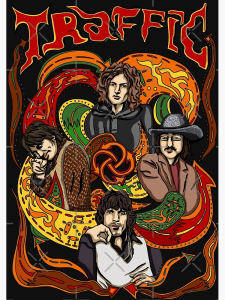
In the 1970s, the British rock band Traffic explored reggae influences as part of their genre-blending, progressive sound. Known for fusing rock, jazz, folk, and soul, Traffic incorporated reggae’s syncopated rhythms and laid-back grooves into select tracks. Songs like “The Low Spark of High Heeled Boys” and “Rock and Roll Stew” feature rhythmic elements reminiscent of reggae, though often filtered through a jazz-rock lens. Steve Winwood’s soulful vocals and the band’s fluid instrumentation allowed for a smooth integration of reggae’s feel without fully departing from their progressive roots. While not a reggae band, Traffic’s willingness to experiment helped normalize the blending of reggae with rock, contributing to the broader acceptance of reggae influences in 1970s rock and roll.
Peter Tosh
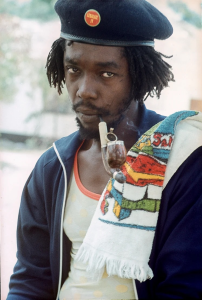
In the 1970s, Peter Tosh was a key figure in shaping reggae’s influence on rock and roll. As a founding member of The Wailers alongside Bob Marley, Tosh brought a bold, militant edge to reggae music, blending sharp political messages with hypnotic rhythms. After going solo, Tosh continued to push reggae’s boundaries, collaborating with rock artists like Mick Jagger on “(You Gotta Walk) Don’t Look Back.” His fearless stance on issues like equality, justice, and legalization of marijuana resonated with the rebellious spirit of rock. Tosh’s powerful presence and crossover collaborations helped reggae gain respect among rock audiences, reinforcing reggae’s identity as both a musical style and a social movement, deeply influencing the evolution of reggae-infused rock in the 1970s.
David Bowie
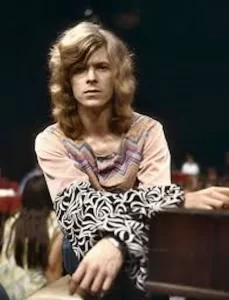
In the 1970s, David Bowie drew inspiration from reggae’s rhythms and culture, subtly weaving its influence into his genre-defying sound. While not a reggae artist, Bowie appreciated the style’s rhythmic complexity and cultural depth. Tracks like “Panic in Detroit” and “African Night Flight” hint at reggae and dub influences, blending syncopated beats with global musical textures. Bowie’s interest in Jamaican music also reflected his broader fascination with identity, rebellion, and outsider culture—key themes in both reggae and rock. By incorporating reggae elements into his eclectic work, Bowie helped legitimize the genre within the art-rock world. His boundary-pushing creativity encouraged other rock artists to explore reggae, further expanding its influence in 1970s rock and roll.
The Clash
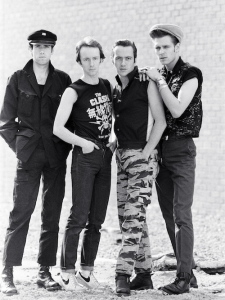
In the 1970s, The Clash were instrumental in fusing reggae with punk rock, creating a bold new sound that deeply influenced reggae rock. Drawn to reggae’s rebellious spirit and political themes, the band covered songs like Junior Murvin’s “Police and Thieves” and wrote reggae-infused originals such as “White Man in Hammersmith Palais.” They admired how reggae addressed oppression and injustice, mirroring their own punk ideals. The Clash’s gritty energy blended with reggae’s hypnotic rhythms, introducing punk fans to Jamaican music. Their genre-crossing approach broke musical boundaries and helped reggae gain credibility in alternative and mainstream rock scenes. By integrating reggae into their sound, The Clash expanded the possibilities of rock and roll and inspired future reggae-rock hybrids.
Joe Cocker
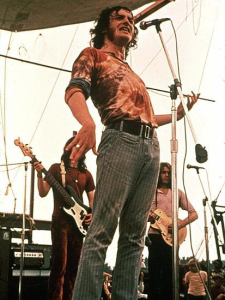
In the 1970s, Joe Cocker embraced elements of reggae in his soulful rock performances, contributing to the genre’s growing influence on rock and roll. While primarily known for his gritty vocals and blues-rock roots, Cocker occasionally experimented with reggae rhythms and grooves, as heard in tracks like his 1976 cover of “Don’t Let Me Be Misunderstood,” which carried a reggae-inflected beat. His willingness to explore different styles helped expose broader audiences to the fusion of reggae with rock. Cocker’s passionate delivery and genre-blending approach aligned with reggae’s emotional depth and rhythmic appeal. Though not a central figure in reggae rock, his interpretations supported the trend of integrating Jamaican influences into mainstream 1970s rock, further legitimizing reggae’s role in the era’s musical evolution.
Sly and the Family Stone
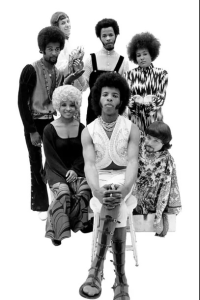
In the 1970s, Sly and the Family Stone influenced reggae rock and roll by pioneering a funk and soul sound that shared reggae’s emphasis on rhythm and groove. Their innovative use of syncopated basslines, tight drum patterns, and socially conscious lyrics paralleled reggae’s musical and thematic style. Although primarily a funk band, their experimentation with diverse rhythms inspired rock and reggae artists alike to blend genres. Sly Stone’s emphasis on unity and social change resonated with reggae’s messages of resistance and empowerment. By breaking down racial and musical barriers, Sly and the Family Stone helped create an environment where reggae’s rhythms could merge with rock’s energy and soul’s passion, shaping the cross-genre fusion that defined 1970s reggae rock and roll.