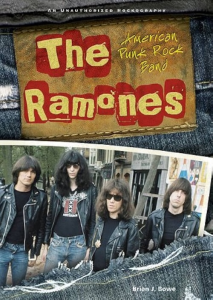
Punk rock was profoundly shaped by the Ramones, who stripped rock and roll down to its raw essentials. Emerging from New York’s underground scene in the mid-1970s, the Ramones rejected the complexity of progressive rock and glam’s extravagance. Instead, they delivered fast, loud, two-minute songs packed with buzzsaw guitars, simple chord structures, and chant-like lyrics. Their look—torn jeans, leather jackets, and bowl-cut hair—became iconic. Songs like “Blitzkrieg Bop” and “Sheena Is a Punk Rocker” captured youthful rebellion and alienation with energetic urgency. Their no-frills style laid the groundwork for punk scenes in London, Los Angeles, and beyond, making them punk pioneers.
The Stooges (with Iggy Pop)
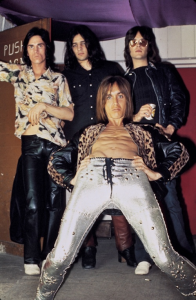
Punk rock was heavily influenced by The Stooges and their wild frontman, Iggy Pop. Formed in the late 1960s, The Stooges blended raw garage rock with primal energy, laying the groundwork for punk’s aggressive sound and rebellious attitude. Iggy Pop’s onstage antics—rolling in glass, stage diving, and snarling vocals—broke traditional rock norms and inspired punk’s chaotic, confrontational style. Their stripped-down songs like “I Wanna Be Your Dog” and “Search and Destroy” featured distorted guitars, pounding drums, and a menacing tone that rejected the polish of mainstream rock. The Stooges’ unfiltered emotion and raw power became a blueprint for punk’s anti-establishment spirit.
The Sex Pistols
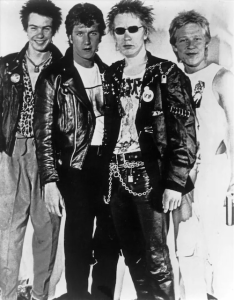
The Sex Pistols were a major force in shaping punk rock, especially in the UK, with their explosive attitude and anti-establishment message. Formed in London in the mid-1970s, the band combined raw, aggressive music with a confrontational image that challenged social norms and the music industry itself. Their only studio album, Never Mind the Bollocks, Here’s the Sex Pistols, featured sneering vocals, distorted guitars, and rebellious anthems like “Anarchy in the U.K.” and “God Save the Queen.” Their fashion—safety pins, torn clothes, and spiked hair—became punk style staples. The Sex Pistols turned punk into a cultural revolution, not just a musical movement.
The Clash
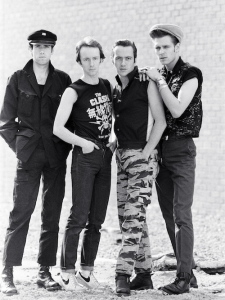
The Clash brought a political and musical depth to punk rock that expanded the genre’s scope. Emerging from London’s punk scene in the late 1970s, they combined punk’s raw energy with elements of reggae, ska, funk, and rockabilly. Their lyrics tackled issues like unemployment, racism, and war, giving punk a strong social conscience. Albums like London Calling and Combat Rock blended rebellious spirit with musical experimentation, proving punk could be both angry and artful. Songs such as “White Riot” and “Rock the Casbah” showed that punk could challenge authority while still evolving musically. The Clash helped make punk globally relevant and intellectually charged.
Patti Smith Group
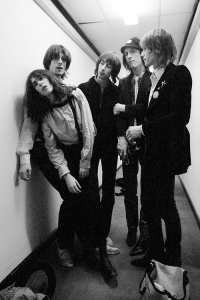
The Patti Smith Group played a crucial role in shaping punk rock by blending raw rock energy with poetic, intellectual depth. Emerging from New York’s underground scene in the mid-1970s, Patti Smith fused beat poetry, garage rock, and rebellious spirit in a way that was both artistic and confrontational. Their debut album Horses, with its stripped-down sound and bold lyrics, helped define the punk aesthetic. Smith’s fierce stage presence and songs like “Gloria” and “Free Money” inspired a generation to break musical and gender norms. The Patti Smith Group proved punk could be emotionally powerful, literate, and unafraid to challenge the mainstream.
Television
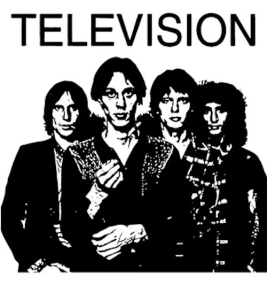
Television helped shape punk rock by bringing a sharp, artistic edge to the genre during the mid-1970s New York scene. While their sound was more intricate than some of their punk peers, their DIY ethic, stripped-down performances, and raw emotional tone made them influential pioneers. Their debut album Marquee Moon featured jagged guitar interplay, poetic lyrics, and extended song structures that challenged punk’s fast-and-simple formula while staying true to its underground roots. Playing regularly at CBGB alongside bands like the Ramones and Patti Smith Group, Television proved punk could be both sophisticated and gritty. Their influence rippled through post-punk and alternative rock.
The New York Dolls
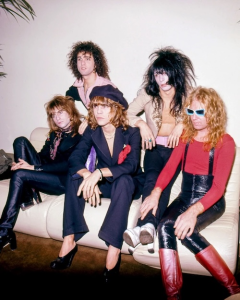
The New York Dolls were a major influence on punk rock, blending glam rock style with raw, aggressive sound that prefigured the punk explosion. Formed in early 1970s New York, the Dolls combined loud, sloppy guitars, sneering vocals, and a reckless attitude that defied the polished rock of the era. Their look—high heels, makeup, and teased hair—challenged gender norms and inspired punk’s rebellious fashion. Songs like “Personality Crisis” and “Trash” captured urban chaos and alienation with gritty energy. Though their commercial success was limited, their wild performances and outsider spirit laid the groundwork for punk’s sound, image, and anti-mainstream ethos
Siouxsie and the Banshees
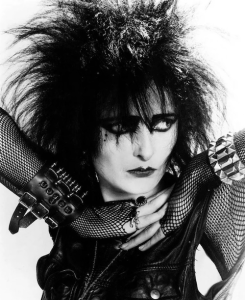
Siouxsie and the Banshees brought a darker, more atmospheric dimension to punk rock, helping to shape its evolution into post-punk and goth. Emerging from the London punk scene in the late 1970s, the band combined fierce attitude with haunting vocals, tribal drums, and experimental guitar work. Siouxsie Sioux’s commanding presence and striking style made her an icon of punk’s boundary-pushing spirit. Their early singles like “Hong Kong Garden” retained punk’s raw energy, while later albums explored moodier, more complex sounds. The Banshees expanded punk’s emotional and sonic range, proving it could be theatrical, introspective, and artful while staying rooted in rebellion.
X-Ray Spex
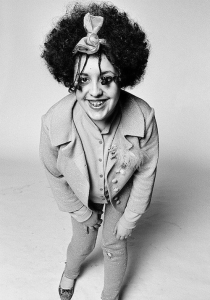
X-Ray Spex brought a sharp, satirical edge to punk rock, with a sound that mixed raw energy, feminist themes, and an unusual saxophone-driven style. Fronted by the bold and charismatic Poly Styrene, the band emerged from the UK punk scene in the late 1970s with a message that challenged consumerism, conformity, and gender roles. Their debut album Germfree Adolescents featured fast-paced songs like “Oh Bondage Up Yours!” that captured the rebellious heart of punk while adding a witty, intelligent voice. Poly’s shrieking vocals and vibrant persona made her a unique figure in punk, pushing the genre to include more diverse perspectives and sounds.
MC5
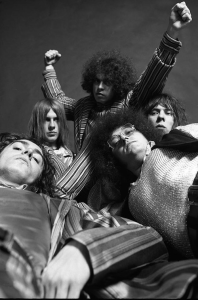
MC5 were a foundational influence on punk rock, delivering high-octane performances and politically charged lyrics that predated the punk explosion by nearly a decade. Emerging from Detroit in the late 1960s, their raw, aggressive sound—heard in tracks like “Kick Out the Jams”—broke from the psychedelic and polished rock of the time. MC5 fused garage rock energy with revolutionary rhetoric, setting a template for punk’s anti-establishment attitude. Their do-it-yourself ethos, rebellious stage presence, and loud, fast approach deeply resonated with early punk bands. MC5 helped lay the groundwork for punk’s sound and spirit, blending rock fury with radical, confrontational edge.
Buzzcocks
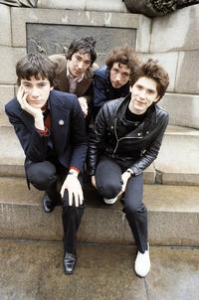
The Buzzcocks were key innovators in punk rock, combining catchy melodies with fast, energetic rhythms that helped define punk’s poppier side. Emerging from Manchester in the mid-1970s, they injected punk with infectious hooks and heartfelt lyrics about love and alienation, making the genre more accessible without losing its rebellious edge. Songs like “Ever Fallen in Love (With Someone You Shouldn’t’ve)” showcased their knack for blending urgency and emotion. Their DIY ethic, intense live shows, and independent releases inspired countless punk and indie bands. The Buzzcocks bridged raw punk energy with pop sensibility, expanding punk’s appeal and influencing the future of alternative music.