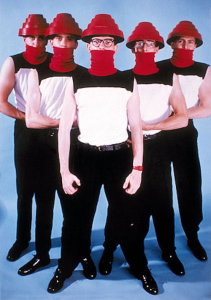
In the 1970s, Devo brought a quirky, cerebral edge to electronic rock and roll, blending punk attitude with synthesizer-driven experimentation. Inspired by the concept of “de-evolution,” Devo challenged mainstream rock with robotic rhythms, minimalist guitar work, and deadpan vocals. Their use of early synthesizers like the Minimoog and custom electronic gear helped shape the cold, mechanical sound that would influence new wave and synth-pop. Songs like “Jocko Homo” and “Satisfaction” (a jittery Rolling Stones cover) disrupted rock’s macho swagger with irony and satire. Devo’s visual style—uniforms, plastic hats, and jerky choreography—further amplified their message, making them pioneers in merging performance art with electronic music. Their influence echoed through bands like Talking Heads and Nine Inch Nails.
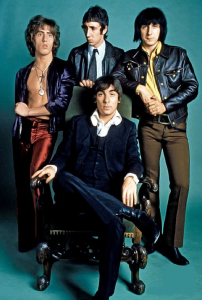
The Who
In the 1970s, The Who played a pivotal role in shaping electronic rock and roll by integrating synthesizers into their powerful rock sound. Albums like Who’s Next (1971) and Quadrophenia (1973) showcased groundbreaking use of ARP synthesizers, especially on tracks like “Baba O’Riley” and “Won’t Get Fooled Again.” Rather than replacing instruments, they used electronic elements to enhance emotional depth and structure, pioneering sequenced synth patterns within rock narratives. Pete Townshend’s vision of blending storytelling with technology helped legitimize electronic sounds in rock, influencing later artists across genres. Their fusion of analog electronics and rock aggression paved the way for future experimentation by bands like Genesis, Rush, and even electronic acts that embraced rock’s dramatic flair.
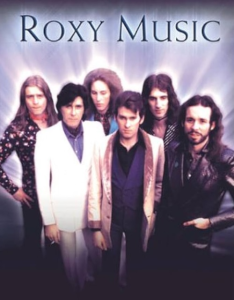
Roxy Music
Roxy Music was instrumental in shaping 1970s electronic rock and roll by blending glam rock with avant-garde electronic textures. Led by Bryan Ferry and featuring sonic innovator Brian Eno in their early years, the band used synthesizers, tape effects, and treated instruments to create a lush, futuristic sound. Eno’s use of the EMS VCS3 synthesizer and his experimental approach added layers of ambient noise, distortion, and sound manipulation that pushed the boundaries of rock. Roxy Music’s elegant yet edgy style influenced both the sound and aesthetics of future synth-pop, new wave, and art rock. Their fusion of fashion, technology, and theatrical presentation helped normalize electronic experimentation in mainstream rock, inspiring artists like David Bowie, Talking Heads, and Ultravox.
Gary Numan/Tubeway Army
Gary Numan was a key figure in transforming 1970s electronic rock and roll, bringing a cold, dystopian edge to the genre. With his band Tubeway Army and later solo work, Numan fused synthesizer-driven sounds with punk and glam influences, creating a mechanical, futuristic aesthetic. His 1979 hit “Cars” featured heavy use of the Minimoog and Polymoog, replacing traditional guitars with layered synth textures and drum machines. Drawing inspiration from sci-fi and themes of alienation, Numan’s robotic vocals and stage presence gave electronic rock a distinct identity. He helped shift electronic music from experimental fringes into the pop spotlight, directly influencing the rise of synth-pop and acts like Nine Inch Nails, Depeche Mode, and The Human League.
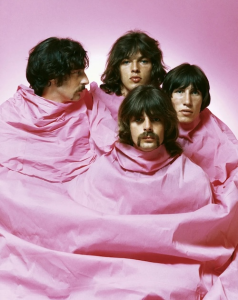
Pink Floyd
Pink Floyd profoundly influenced 1970s electronic rock and roll by merging psychedelic rock with experimental electronic soundscapes. Albums like Dark Side of the Moon (1973) and Wish You Were Here (1975) featured groundbreaking use of synthesizers, tape loops, and sound effects that expanded the sonic boundaries of rock. The band incorporated EMS Synthi AKS and ARP synthesizers to create atmospheric textures, rhythmic pulses, and ambient backdrops. Their use of quadraphonic sound and studio experimentation turned albums into immersive experiences. Pink Floyd’s fusion of technology with philosophical lyrics and conceptual themes helped legitimize electronic elements in mainstream rock, inspiring future electronic artists and progressive rock bands alike. Their legacy echoes in genres from ambient to synth-rock and beyond.
Brian Eno
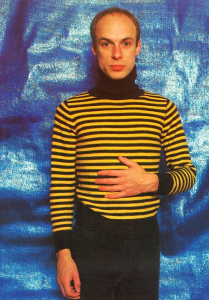
Brian Eno was a trailblazer in shaping 1970s electronic rock and roll, redefining how technology and sound could merge in music. After co-founding Roxy Music, Eno pursued a solo career that fused art rock with experimental electronics. He championed the use of synthesizers, tape loops, and non-traditional recording techniques, favoring texture and mood over melody. Albums like Another Green World and Before and After Science introduced ambient elements into rock, while his production work with David Bowie, Talking Heads, and later U2 integrated electronic layers into their sound. Eno’s “Oblique Strategies” and ambient philosophy emphasized chance and atmosphere, laying the groundwork for ambient rock, synth-pop, and future experimental genres. His influence is foundational to modern electronic and art rock.
David Bowie
David Bowie was a major force in shaping 1970s electronic rock and roll, especially through his innovative Berlin Trilogy—Low, “Heroes”, and Lodger. Collaborating with Brian Eno and producer Tony Visconti, Bowie blended synthesizers, ambient textures, and experimental structures with rock and soul influences. He embraced electronic gear like the EMS Synthi and ARP synthesizers to craft moody, futuristic soundscapes. Bowie’s willingness to deconstruct traditional song forms and use instrumentals as emotional storytelling broke new ground. His music inspired the rise of synth-pop, new wave, and industrial rock. Beyond sound, his bold visuals and persona shifts encouraged other artists to experiment with identity and technology. Bowie made electronic elements not just acceptable—but essential—in the evolution of rock.
Kraftwerk
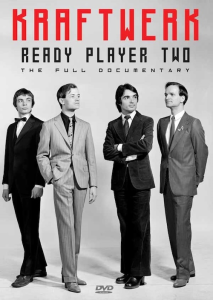
Kraftwerk was one of the most influential forces in shaping 1970s electronic rock and roll, pioneering a sound built almost entirely on synthesizers, drum machines, and sequencers. With albums like Autobahn (1974) and Trans-Europe Express (1977), the German group stripped rock down to its rhythmic and melodic core, replacing guitars with electronic pulses and robotic precision. Their minimalist, futuristic approach introduced a mechanical aesthetic that reshaped how musicians approached songwriting and production. Kraftwerk’s influence reached far beyond Germany, inspiring David Bowie, Gary Numan, and the entire synth-pop and new wave movements. By fusing electronic innovation with pop structure, they laid the groundwork for techno, hip-hop beats, and modern electronic music, making them true architects of rock’s electronic evolution.
Tangerine Dream
Tangerine Dream played a crucial role in the evolution of 1970s electronic rock and roll by pushing the boundaries of sound and atmosphere through synthesizer-driven compositions. Originating from Germany’s “Krautrock” scene, the group—led by Edgar Froese—used sequencers, Mellotrons, and Moog synthesizers to create expansive, hypnotic soundscapes that blended rock structures with ambient and cosmic textures. Albums like Phaedra (1974) and Rubycon (1975) featured long, instrumental tracks that broke away from traditional song forms, influencing the development of ambient, progressive, and electronic rock. Their pioneering use of electronic gear and looping techniques also influenced film scoring and inspired artists like Brian Eno, Jean-Michel Jarre, and later, electronic rock and synth-based acts of the 1980s and beyond.
Jean-Michel Jarre
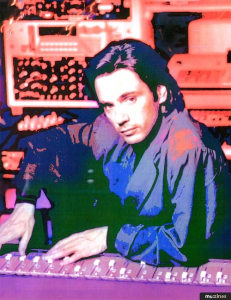
Jean-Michel Jarre helped shape 1970s electronic rock and roll by merging classical composition with cutting-edge synthesizer technology. His groundbreaking 1976 album Oxygène brought ambient, melodic electronic music to a wide audience, proving that synthesizers could be the centerpiece of mainstream musical expression. Jarre used instruments like the ARP 2600, EMS VCS3, and Mellotron to create lush, spacey textures and rhythmic sequences that felt both futuristic and accessible. His cinematic approach and live performances, complete with lasers and visual effects, redefined the possibilities of electronic rock as a multimedia experience. Jarre’s success helped popularize electronic music globally, influencing artists in synth-pop, progressive rock, and electronic rock, and paving the way for the genre’s mainstream acceptance in the 1980s.
Vangelis
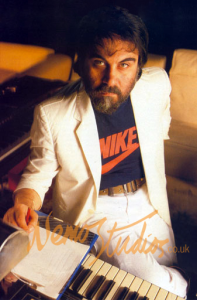
Vangelis was a seminal influence on 1970s electronic rock and roll by blending synthesizers with orchestral grandeur and cinematic storytelling. Using instruments like the Yamaha CS-80 and Moog synthesizers, he crafted rich, emotive soundscapes that bridged progressive rock, electronic music, and classical styles. Albums such as Heaven and Hell (1975) showcased his skill in layering synthesizer textures with dramatic melodies, inspiring both rock musicians and film composers. Vangelis’ work on iconic soundtracks like Blade Runner and Chariots of Fire highlighted the power of electronic instruments to evoke mood and narrative, influencing the fusion of electronic rock with ambient and new age music. His lush, atmospheric style helped expand electronic rock’s emotional and sonic possibilities during the decade.